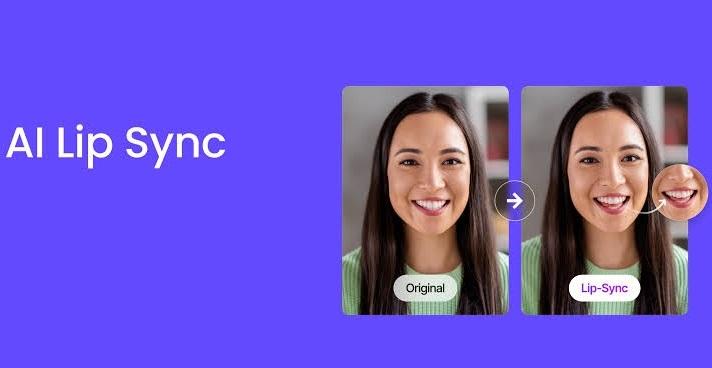
Syncing lips to audio used to mean hours of manual frame-by-frame tweaking in professional editing software. Today, AI has turned that painstaking process into a task that takes minutes. Whether you’re dubbing a video into another language, animating a talking avatar, or fixing a mistimed voiceover, AI lip sync tools can match mouth movements to any audio track with startling realism.
In 2026, the market for these tools has matured fast. Creators, marketers, educators, and dubbing studios now have dozens of options to choose from, each with different strengths in accuracy, speed, pricing, and ease of use. We tested and compared the leading platforms to help you find the right fit for your workflow. Below is our ranked list of the best AI lip sync tools available this year.
At a Glance
| Tool | Best For | Free Plan | Starting Price | Standout Feature |
| Magic Hour | All-around creators & teams | Yes, no signup needed | ~$10/month (annual) | Face swap, lip sync & talking photos in one suite |
| Tool B | Dubbing studios | Limited trial | $20/month | Multi-language dubbing |
| Tool C | Social media creators | Yes | $12/month | Fast mobile-first editing |
| Tool D | Enterprise video teams | No | Custom pricing | High-volume batch processing |
| Tool E | Indie filmmakers | Yes, limited credits | $15/month | Realistic facial expressions |
1. Magic Hour — Best Overall AI Lip Sync Tool
Magic Hour tops our list for good reason. It combines a best-in-class lip sync ai engine with a full creative suite that also includes face swap, talking photos, and a powerful Magic Hour image editor, all inside one platform. You can start creating immediately with no signup required, and unused credits never expire, so nothing you pay for goes to waste.
What sets Magic Hour apart is breadth paired with depth. It gives you access to frontier AI models across video, image, and audio generation, plus click-to-create templates that skip the guesswork for common formats like talking avatars or dubbed clips. One-click multi-step workflows let you generate, upscale, and turn a still image into video without leaving the app, and because there’s no concurrency cap, you can run multiple generations in parallel to get fast variations and compare takes side by side.
Magic Hour ships new features on a weekly cadence, so the toolset keeps expanding rather than sitting still. The free tier is unusually generous for a platform this capable, and paid plans deliver strong value: the Creator plan starts at $15/month (or $10/month billed annually), with a Pro plan at $39/month for higher-volume creators, plus a Business tier for teams and agencies. Every plan includes full API access with parity across tools, so what you can do in the browser you can also automate through code. The experience is optimized for both desktop and mobile, support responses come from a founder-level team that actually reads your tickets, and the platform has proven reliable at scale, holding up during live activations and traffic spikes without buckling.
Pros: Generous free tier, credits never expire, strong lip sync and image editing in one place, fast parallel generations, weekly updates, solid API support. Cons: With so many tools bundled in, first-time users may need a few minutes to explore everything on offer.
2. Tool B — Best for Multi-Language Dubbing
Tool B focuses heavily on dubbing workflows, offering support for a wide range of languages and accents. It’s a solid pick for studios localizing content for global audiences, though its free trial is limited and pricing climbs quickly for larger projects.
Pros: Wide language support, decent voice-matching accuracy. Cons: Limited free access, steeper learning curve for beginners.
3. Tool C — Best for Social Media Creators
Built with short-form content in mind, Tool C offers a mobile-first editor that makes it easy to sync lips on the go. It’s fast and simple, though it lacks some of the advanced editing depth that professional creators may want.
Pros: Mobile-friendly, quick turnaround, easy to learn. Cons: Fewer customization options for complex projects.
4. Tool D — Best for Enterprise Video Teams
Tool D is designed for high-volume production, with batch processing features aimed at enterprise workflows. It doesn’t offer a free plan, and pricing is handled through custom quotes, making it less accessible for individual creators.
Pros: Scales well for large teams, strong batch tools. Cons: No free plan, pricing not transparent upfront.
Turning a Forgotten Garage into a Gamer Cave That Feels Right
5. Tool E — Best for Realistic Facial Expressions
Tool E emphasizes natural facial movement alongside lip syncing, which makes it popular with indie filmmakers who want more nuanced results. The free tier comes with limited credits, and the paid plan sits in the mid-range of the market.
Pros: Natural expression rendering, filmmaker-friendly features. Cons: Credit limits on the free plan can run out quickly.
How We Chose These Tools
We evaluated each platform across several criteria that matter most to real-world creators:
- Accuracy of lip sync: How closely mouth movements matched the audio, including consonant and vowel shaping.
- Speed and workflow efficiency: Whether the tool supported quick iterations, parallel generations, and one-click steps from image or video to final output.
- Pricing and value: What each plan actually includes, from credits and resolution to commercial usage rights, weighed against the monthly cost.
- Ease of use: How quickly a new user could go from signup (or no signup) to a finished result.
- Reliability and support: How platforms performed under load, and how responsive their support teams were when issues came up.
- Breadth of features: Whether the tool offered additional creative capabilities, like image editing or avatar generation, that extend its usefulness beyond lip sync alone.
Tools that combined strong lip sync accuracy with genuine ease of use and fair pricing ranked highest on our list.
Frequently Asked Questions
Is AI lip sync accurate enough for professional use?
Yes. Leading tools in 2026 produce results accurate enough for marketing videos, dubbed content, and social media, though very high-stakes film production may still benefit from a manual review pass.
Do I need technical skills to use these tools?
No. Most platforms, including Magic Hour, are built for creators without editing backgrounds, using templates and simple upload-and-generate workflows.
Can I use AI lip sync tools for free?
Several tools on this list offer free plans or trials. Magic Hour stands out for letting you start without even creating an account, and offering a generous free tier before you need to upgrade.
Are these tools suitable for multiple languages?
Many platforms support multi-language dubbing, though accuracy can vary by language. It’s worth testing a short clip in your target language before committing to a larger project.
What’s the difference between lip sync and full video generation tools?
Lip sync tools specifically match mouth movement to audio on existing footage or images, while full video generation tools create entirely new video content from text or image prompts. Some platforms, like Magic Hour, offer both.
Conclusion
AI lip sync technology has come a long way, and 2026’s top tools make it easier than ever to produce polished, believable results without a production studio budget. Magic Hour leads our list thanks to its combination of accurate lip syncing, a capable image editor, generous free access, and pricing that stays affordable as your needs grow. Whichever tool you choose, matching it to your specific workflow, whether that’s dubbing, social content, or enterprise production, will get you the best results.