
In today’s fast-paced world, finding moments of peace has become increasingly important for maintaining mental and emotional balance. Calming music offers a simple yet powerful way to reduce stress and promote relaxation. Whether used during meditation, work, or before sleep, gentle melodies and soothing rhythms can positively influence mood and focus. Many people turn to calming music as a natural method to unwind and recharge after a long day. Understanding how it works and how to incorporate it into daily life can help individuals experience its full benefits and create a more peaceful environment.
What Is Calming Music and Why It Matters
Calming music refers to sound compositions designed to relax the mind and body through slow tempos, soft tones, and harmonious patterns. It often includes instrumental pieces, nature sounds, or gentle vocals that create a peaceful atmosphere. This type of music plays an important role in reducing stress levels and enhancing emotional well-being. By slowing down the heart rate and calming the nervous system, it helps individuals feel more at ease. In a world filled with constant noise and distractions, calming music provides a valuable escape that supports mental clarity and inner balance.
The Science Behind Relaxing Sounds
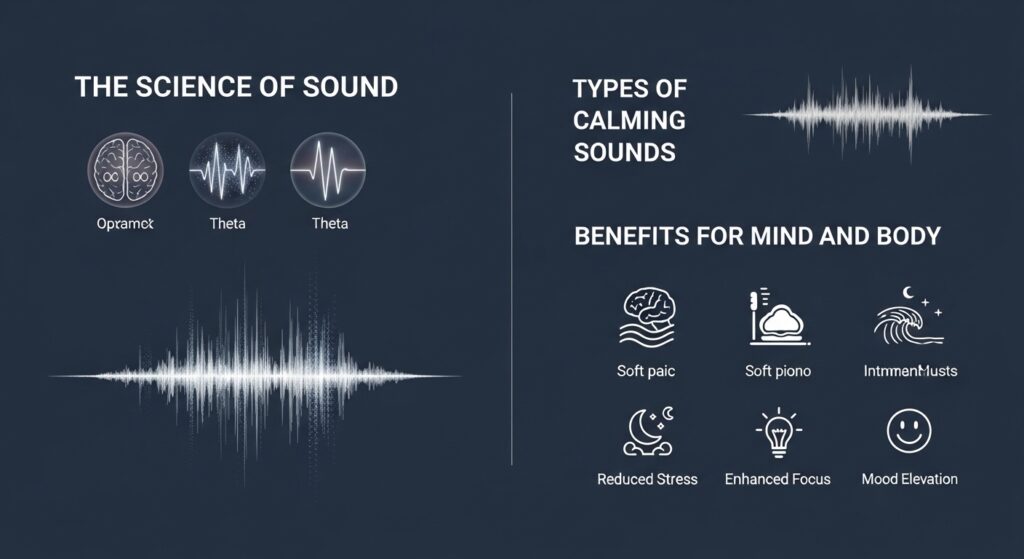
Scientific research shows that calming music has a measurable impact on the brain and body. Listening to soothing sounds can lower cortisol levels, which are associated with stress. It also stimulates the release of dopamine, a chemical linked to pleasure and relaxation. The rhythm and tempo of calming music influence brainwave activity, encouraging a shift toward more relaxed states. This process helps improve focus, reduce anxiety, and promote a sense of well-being. Understanding the science behind calming music highlights its effectiveness as a natural tool for managing stress and enhancing overall health.
Benefits of Calming Music for Mental Health
Calming music offers significant benefits for mental health by helping individuals manage stress, anxiety, and emotional fatigue. It creates a soothing environment that encourages relaxation and reduces negative thoughts. Regular listening can improve mood and support emotional stability, making it easier to cope with daily challenges. Calming music is also used in therapeutic settings to assist individuals dealing with mental health conditions. Its ability to create a sense of comfort and security makes it a valuable addition to self-care routines. Over time, it contributes to improved mental resilience and overall well-being.
Using Calming Music for Better Sleep
Many people struggle with sleep issues due to stress and an overactive mind. Calming music can be an effective solution for improving sleep quality by creating a peaceful bedtime environment. Slow, gentle melodies help signal the body to relax and prepare for rest. Listening to calming music before sleep can reduce racing thoughts and promote a deeper, more restful experience. Establishing a nightly routine that includes soothing sounds can improve sleep patterns over time. This simple practice supports better physical and mental health by ensuring the body receives adequate rest and recovery.
Calming Music for Focus and Productivity
While often associated with relaxation, calming music can also enhance focus and productivity. Soft background sounds help reduce distractions and create a steady rhythm for concentration. This is particularly useful during tasks that require sustained attention, such as studying or working. Calming music can improve cognitive performance by maintaining a balanced mental state. It prevents overstimulation while keeping the mind engaged. By incorporating soothing sounds into work routines, individuals can achieve better results and maintain a sense of calm even during demanding tasks.
Popular Types of Calming Music
There are various styles of calming music that cater to different preferences and needs. Instrumental piano pieces, ambient soundscapes, and nature-inspired tracks are among the most popular options. Some people prefer traditional or cultural music that incorporates gentle rhythms and soothing melodies. Others may enjoy modern compositions designed specifically for relaxation and meditation. The diversity of calming music ensures that everyone can find a style that resonates with them. Exploring different types allows individuals to discover what works best for their personal relaxation and emotional well-being.
Incorporating Calming Music into Daily Life
Integrating calming music into daily routines can significantly enhance overall quality of life. It can be played during morning routines to start the day peacefully or during breaks to reduce stress. Listening while commuting or exercising can also create a more enjoyable experience. Setting aside time for relaxation with calming music helps establish a balanced lifestyle. Consistency is key, as regular exposure to soothing sounds reinforces their positive effects. By making calming music a part of everyday activities, individuals can maintain a sense of calm and stability throughout the day.
Calming Music and Mindfulness Practices
Calming music is often used alongside mindfulness practices such as meditation and deep breathing exercises. It helps create an environment that supports focus and awareness, making it easier to stay present in the moment. The gentle flow of sound encourages relaxation and reduces distractions, allowing individuals to connect with their thoughts and emotions. This combination enhances the effectiveness of mindfulness techniques, leading to deeper relaxation and self-awareness. Incorporating calming music into these practices can improve their benefits and make them more accessible for beginners and experienced practitioners alike.
Choosing the Right Calming Music for You
Selecting the right calming music depends on personal preferences and individual needs. Some people may prefer soft instrumental tracks, while others find comfort in nature sounds or ambient tones. The key is to choose music that feels soothing and does not cause distraction. Experimenting with different styles and tempos can help identify what works best. Volume and listening environment also play an important role in creating the desired effect. By carefully selecting calming music, individuals can create a personalized experience that supports relaxation, focus, and emotional balance.
Conclusion
Calming music is a powerful and accessible tool that supports mental, emotional, and physical well-being. Its ability to reduce stress, improve sleep, and enhance focus makes it a valuable addition to daily life. By understanding its benefits and incorporating it into routines, individuals can create a more balanced and peaceful lifestyle. Whether used for relaxation, productivity, or mindfulness, calming music continues to provide a simple yet effective way to improve overall quality of life in a busy and demanding world.