
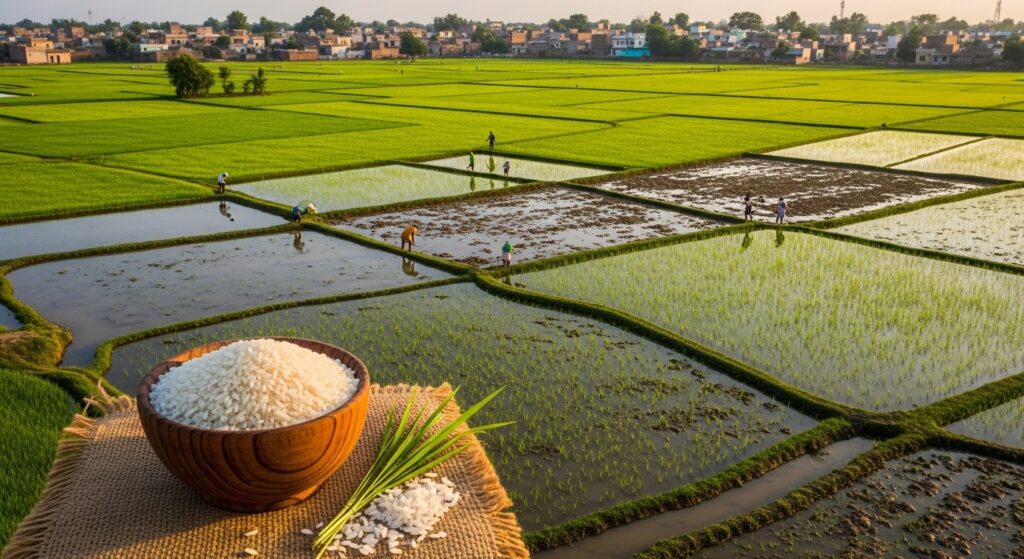
Agriculture has always been an essential part of India’s economy and cultural identity. Among the many crops cultivated across the country, rice holds a particularly important place in daily diets and rural livelihoods. The phrase rice bowl of India is often used to describe regions that produce large quantities of rice and contribute significantly to national food security. These areas are known for their fertile soil, favorable climate, and advanced farming traditions. Understanding the concept of the rice bowl of India provides insight into how certain regions support the nation’s agricultural strength while sustaining millions of farmers and consumers.
Meaning of the Rice Bowl of India
The term rice bowl of India refers to regions that produce exceptionally high amounts of rice compared to other parts of the country. These areas are recognized for their extensive paddy fields and strong agricultural infrastructure. Because rice is a staple food for a large portion of the population, regions with high production levels play a critical role in feeding the nation. The rice bowl of India concept highlights the importance of fertile land, irrigation systems, and skilled farming communities. By producing abundant rice harvests, these regions support both domestic consumption and agricultural trade within the country.
Geographic Regions Known as the Rice Bowl
Several regions in India are often referred to as the rice bowl of India due to their high productivity. These areas typically have river systems, rich alluvial soil, and a climate suitable for rice cultivation. Large river deltas and coastal plains provide ideal conditions for paddy farming. In these landscapes, farmers cultivate rice across vast stretches of land using traditional knowledge combined with modern agricultural methods. The consistent supply of water and nutrients allows farmers to achieve high yields each year. As a result, these regions remain vital contributors to the nation’s food supply and agricultural economy.
Climate and Soil Conditions for Rice Cultivation
The success of the rice bowl of India is closely linked to favorable climate and soil conditions. Rice grows best in warm temperatures, high humidity, and regions with reliable rainfall or irrigation. The fertile soils found in major rice producing regions often contain nutrients that support healthy plant growth. Floodplain soils and delta regions are particularly suitable for paddy cultivation because they retain water effectively. These natural advantages make it possible for farmers to grow rice across large areas with consistent productivity. The combination of climate, soil fertility, and water availability creates ideal conditions for rice farming.
Importance of Irrigation and Water Resources
Water management is a crucial factor behind the productivity of the rice bowl of India. Rice plants require a significant amount of water throughout their growing cycle. As a result, irrigation systems such as canals, reservoirs, and river networks play an essential role in supporting paddy fields. In many agricultural regions, farmers depend on seasonal monsoon rainfall along with irrigation infrastructure to maintain steady production. Proper water management ensures that crops receive adequate moisture even during periods of low rainfall. These systems allow farmers to cultivate rice successfully and contribute to the overall stability of agricultural output.
Role of Farmers in the Rice Bowl Regions
Farmers are the backbone of the rice bowl of India, as their knowledge and dedication drive the success of rice cultivation. Many farming communities have practiced rice agriculture for generations, passing down traditional techniques and experience. These farmers carefully manage planting cycles, soil preparation, and harvesting methods to ensure healthy crops. Modern technology and improved seed varieties have further enhanced productivity in recent years. Despite challenges such as changing weather patterns and market fluctuations, farmers continue to play a vital role in sustaining rice production and maintaining the reputation of these regions as agricultural powerhouses.
Economic Contribution to the Country
The rice bowl of India contributes significantly to the national economy through agricultural output and rural employment. Rice cultivation provides income for millions of farmers, laborers, and workers involved in processing, transportation, and distribution. High production levels help stabilize food prices and ensure a steady supply for domestic markets. In addition, surplus rice from major producing regions may be exported to international markets, generating additional revenue. This agricultural success strengthens rural economies and supports related industries such as food processing and logistics. The economic impact of these regions extends far beyond the fields where rice is grown.
Cultural Importance of Rice in Indian Society
Rice holds deep cultural and traditional significance in many parts of India, especially in regions known as the rice bowl of India. It is a staple food served daily in numerous households and forms the foundation of many traditional dishes. Rice also plays an important role in festivals, religious rituals, and family celebrations. In agricultural communities, harvest seasons are often marked by cultural events that express gratitude for successful crops. These traditions reflect the close connection between food, farming, and social life. The importance of rice in cultural practices further emphasizes the value of regions that produce it abundantly.
Agricultural Challenges and Sustainability
Despite its productivity, the rice bowl of India faces several agricultural challenges that require careful management. Issues such as water scarcity, soil degradation, and changing climate patterns can affect long term rice production. Sustainable farming practices are becoming increasingly important in protecting these valuable agricultural regions. Farmers and agricultural experts are exploring methods that reduce water usage, improve soil health, and maintain crop yields. Technological innovations and responsible resource management can help address these challenges. By adopting sustainable approaches, the rice bowl of India can continue supporting food security while protecting natural resources for future generations.
Future of Rice Production in India
The future of the rice bowl of India depends on continued innovation and adaptation within the agricultural sector. Advances in farming technology, improved irrigation systems, and climate resilient crop varieties may enhance productivity in the coming years. Government policies and agricultural research institutions also play a role in supporting farmers and improving infrastructure. As the population grows, maintaining strong rice production will remain essential for national food security. By combining traditional farming knowledge with modern agricultural science, the rice bowl of India can continue to thrive and meet the demands of a changing world.
Conclusion
The rice bowl of India represents regions that play a crucial role in the country’s agricultural success and food supply. With fertile land, favorable climate conditions, and hardworking farming communities, these areas produce large quantities of rice that support millions of people. Their economic, cultural, and agricultural contributions highlight the importance of rice cultivation in India’s development. However, sustainable practices and continued innovation are necessary to overcome environmental and resource challenges. By preserving these productive regions and supporting farmers, the rice bowl of India will continue to remain a cornerstone of national food security and rural prosperity.