
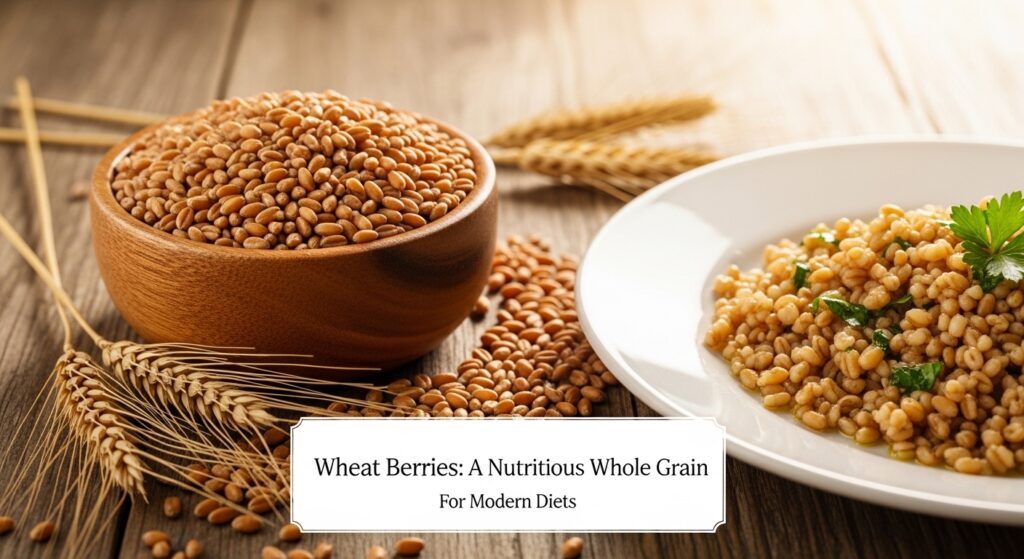
Whole grains have gained recognition for their numerous health benefits, and wheat berries are one of the most versatile and nutrient-rich options available. Wheat berries are the whole, unprocessed kernels of wheat, containing the bran, germ, and endosperm, making them a complete source of fiber, protein, and essential vitamins. Incorporating wheat berries into your diet can support digestive health, provide sustained energy, and contribute to overall wellness. With their nutty flavor and chewy texture, wheat berries are not only nutritious but also highly adaptable, making them suitable for a variety of meals and culinary creations.
Understanding Wheat Berries
Wheat berries are the whole, intact kernels of wheat that have not been refined or processed. Unlike wheat flour or cracked wheat, they retain all components of the grain, including the bran, germ, and endosperm. This complete structure makes wheat berries a powerhouse of nutrients, including fiber, vitamins, and minerals. They can be found in different varieties, such as hard red, hard white, and soft wheat, each offering slightly different flavors and textures. Their unprocessed nature provides long-lasting energy and supports digestive health. Wheat berries serve as a foundation for many traditional and modern dishes, from salads to pilafs.
Nutritional Benefits of Wheat Berries
Wheat berries are rich in essential nutrients that promote overall health. They are an excellent source of dietary fiber, which aids in digestion and helps maintain healthy blood sugar levels. Wheat berries also contain significant amounts of protein, making them suitable for plant-based diets. Additionally, they provide vitamins such as B-complex vitamins, minerals like magnesium, iron, and zinc, and antioxidants that support cellular health. The combination of fiber and protein in wheat berries contributes to prolonged satiety, making them an excellent choice for weight management and sustained energy throughout the day.
Culinary Uses of Wheat Berries
Wheat berries are extremely versatile in cooking and can be incorporated into a wide range of dishes. They can be boiled or steamed and added to salads, soups, and stews, providing a hearty and chewy texture. Wheat berries can also be used as a base for grain bowls, pilafs, and stuffing, adding nutritional value and flavor. For breakfast, they can be cooked with milk or plant-based alternatives to create a wholesome porridge. Their adaptability makes wheat berries suitable for both sweet and savory preparations, allowing them to complement diverse culinary traditions and modern dietary preferences.
How to Cook Wheat Berries
Cooking wheat berries is simple but requires some preparation to achieve the ideal texture. Begin by rinsing the grains under cold water to remove any debris. Soaking them for several hours or overnight can reduce cooking time and improve digestibility. Typically, wheat berries are boiled in water or broth for 45 to 60 minutes until they become tender but remain slightly chewy. After cooking, they can be drained and cooled for use in salads or stored for later use. Properly cooked wheat berries maintain their nutty flavor and provide a satisfying, chewy bite in various dishes.
Incorporating Wheat Berries into Salads
Salads are a popular way to include wheat berries in a balanced diet. Cooked wheat berries add texture and substance, transforming simple greens into filling, nutrient-dense meals. They pair well with vegetables, legumes, nuts, and seeds, enhancing both flavor and nutritional content. Wheat berry salads can be served warm or cold, making them ideal for any season. Dressings made from olive oil, lemon, or vinegar complement their nutty flavor without overpowering it. Including wheat berries in salads not only boosts fiber and protein intake but also provides a satisfying and hearty element that keeps you full longer.
Wheat Berries in Baking and Breakfast
Beyond savory dishes, wheat berries can be incorporated into baked goods and breakfast recipes. They can be ground into flour for whole-grain bread, muffins, and pancakes or used whole as a topping for yogurt, oatmeal, or granola. Cooking them in milk or plant-based alternatives creates a creamy and wholesome breakfast porridge. The chewy texture and nutty taste of wheat berries enhance the sensory experience of meals while contributing to a balanced diet. Their versatility allows them to be a functional ingredient that adds nutrition and flavor to morning routines and baked treats.
Health Benefits for Digestive and Heart Health
Regular consumption of wheat berries supports both digestive and cardiovascular health. Their high fiber content aids digestion, prevents constipation, and promotes a healthy gut microbiome. Fiber also helps regulate cholesterol levels and supports heart health by reducing the risk of cardiovascular diseases. Additionally, the antioxidants and minerals in wheat berries provide anti-inflammatory benefits and contribute to overall wellness. Integrating wheat berries into daily meals can therefore help maintain healthy digestion, support a strong cardiovascular system, and improve overall nutrient intake, making them an excellent addition to a balanced lifestyle.
Storing and Preserving Wheat Berries
Proper storage of wheat beries is important to maintain their freshness and nutritional quality. Store them in an airtight container in a cool, dry place, away from direct sunlight and moisture. Whole wheat beries have a long shelf life compared to processed grains, typically lasting up to a year if stored correctly. For extended storage, refrigeration or freezing can further preserve freshness and prevent spoilage. Keeping wheat beries properly stored ensures that they remain ready for cooking and retain their flavor, texture, and nutrient content over time, making them a convenient pantry staple for a healthy diet.
Integrating Wheat Berries into a Balanced Diet
Wheat beries can easily become a staple in a balanced diet due to their versatility and nutritional benefits. They provide a combination of complex carbohydrates, fiber, protein, and essential vitamins and minerals. Integrating them into meals such as salads, grain bowls, soups, and breakfast dishes ensures consistent energy and promotes overall health. By replacing refined grains with wheat beries, individuals can improve digestion, maintain stable blood sugar levels, and enjoy long-lasting satiety. Regularly including wheat beries in meals supports a nutrient-rich diet while offering flavorful and satisfying options for both everyday and special occasion dishes.
Conclusion
Wheat berres are a nutrient-dense whole grain that offers versatility, flavor, and a wide array of health benefits. Their rich fiber content, protein, and essential vitamins make them an excellent addition to a balanced diet. From salads and soups to breakfast porridge and baked goods, wheat beries can be creatively incorporated into meals for both taste and nutrition. With proper cooking and storage, they provide long-lasting energy, promote digestive health, and support heart wellness. Embracing wheat beries as a staple ingredient helps individuals enjoy wholesome meals while enhancing overall wellness in a simple and satisfying way.