The Russian twist is a widely recognized core exercise that helps improve strength, balance, and coordination. It focuses on engaging the abdominal muscles through a rotational movement, making it an effective addition to many fitness routines. Whether performed by beginners or experienced individuals, this exercise offers flexibility in intensity and variation. It requires minimal equipment and can be done almost anywhere, making it highly accessible. By incorporating the Russian twist into regular workouts, individuals can enhance their core stability, support better posture, and develop a stronger foundation for overall physical performance.
Understanding the Basics of the Russian Twist
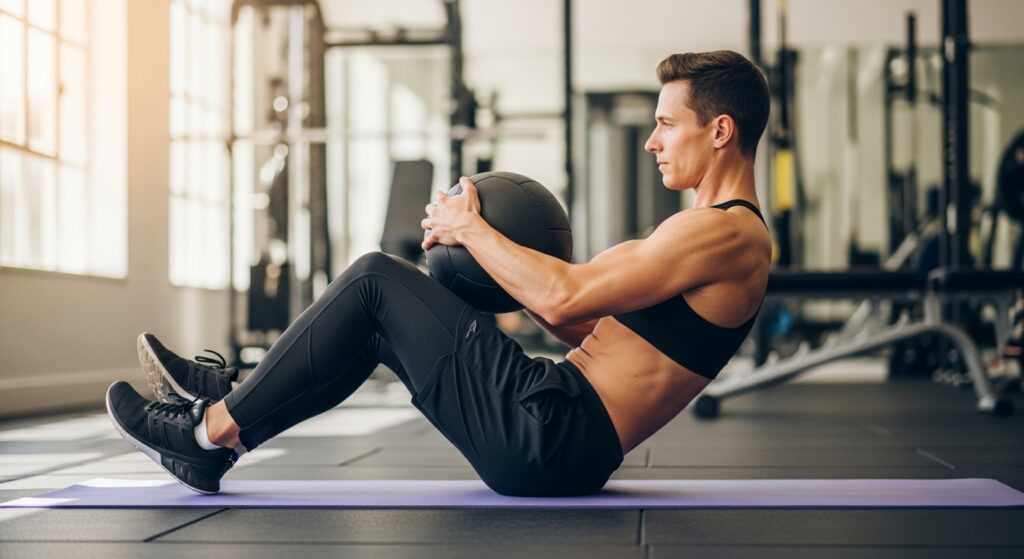
The Russian twist involves a seated position where the upper body is slightly leaned back while the feet are either on the ground or elevated. The movement consists of rotating the torso from side to side, engaging the core muscles throughout the exercise. This twisting motion targets the abdominal region while also requiring balance and control. Maintaining proper posture is essential to ensure effectiveness and prevent strain. The exercise can be performed with or without added weight, depending on fitness level. Understanding the basic movement is key to maximizing the benefits of the Russian twist.
Muscles Engaged During the Exercise
The Russian twist primarily targets the core muscles, including the obliques, which are responsible for rotational movement. It also engages the rectus abdominis, commonly known as the front abdominal muscles, and the transverse abdominis, which provides deep core stability. In addition to these primary muscles, the exercise activates the hip flexors and lower back muscles to maintain balance and posture. This combination of muscle engagement makes the Russian twist an effective exercise for building overall core strength. By working multiple muscle groups, it contributes to improved coordination and functional fitness.
Benefits of Adding Russian Twist to Your Routine
Including the Russian twist in a workout routine offers several benefits for overall fitness. It helps strengthen the core, which is essential for supporting daily movements and reducing the risk of injury. Improved core strength can also enhance athletic performance in activities that require rotation and balance. The exercise promotes better posture by reinforcing the muscles that stabilize the spine. Additionally, it contributes to improved coordination and body control. Regular practice of the Russian twist can lead to noticeable improvements in strength and endurance, making it a valuable addition to any fitness program.
Proper Technique for Maximum Effectiveness
Performing the Russian twist with proper technique is crucial for achieving optimal results. Start by sitting on the floor with knees bent and feet positioned comfortably. Lean the upper body slightly back while keeping the spine straight and core engaged. Rotate the torso slowly from one side to the other, ensuring that the movement is controlled rather than rushed. Breathing should be steady, with exhalation during each twist. Avoid using momentum, as this reduces the effectiveness of the exercise. Focusing on controlled movement ensures that the targeted muscles are fully engaged throughout the routine.
Common Mistakes to Avoid
Many individuals make common mistakes when performing the Russian twist, which can reduce its effectiveness or increase the risk of injury. One frequent error is using excessive speed, which often leads to poor form and limited muscle engagement. Another mistake is rounding the back instead of maintaining a straight posture, which can strain the spine. Holding the breath instead of maintaining steady breathing can also affect performance. Using weights that are too heavy may compromise control and balance. Being aware of these mistakes helps individuals perform the exercise correctly and achieve better results safely.
Variations of the Russian Twist
The Russian twist can be adapted in various ways to suit different fitness levels and goals. Beginners may perform the exercise with feet on the ground for added stability, while more advanced individuals can elevate their feet to increase difficulty. Adding weights such as a medicine ball or dumbbell can further challenge the core muscles. Another variation includes slowing down the movement to increase time under tension. These variations allow individuals to customize the exercise based on their abilities. Incorporating different versions helps maintain interest and promotes continuous improvement in strength and endurance.
How to Progress Safely Over Time
Progressing with the Russian twist should be done gradually to ensure safety and effectiveness. Starting with basic movements allows individuals to build a strong foundation before increasing intensity. As strength improves, adding resistance or increasing repetitions can enhance the challenge. It is important to maintain proper form at all times, even when progressing to more advanced variations. Adequate rest between sessions helps the muscles recover and grow. Listening to the body and avoiding overtraining is essential for long-term success. A steady and controlled approach ensures consistent improvement without unnecessary strain.
Integrating Russian Twist into a Workout Plan
The Russian twist can be easily integrated into various workout routines, including core-focused sessions and full-body training programs. It is often used as a complementary exercise to other core movements, helping to target the obliques and improve rotational strength. Performing it toward the middle or end of a workout can help maximize its effectiveness. Combining it with exercises that target different muscle groups ensures a balanced routine. Consistency in training is key to achieving results. Including the Russian twist regularly helps build a strong and stable core over time.
Importance of Recovery and Core Care
Recovery is an essential part of any exercise routine, including those that involve the Russian twist. Allowing the core muscles time to rest helps prevent fatigue and reduces the risk of injury. Stretching and mobility exercises can improve flexibility and maintain muscle health. Proper hydration and nutrition also support recovery and overall performance. Paying attention to any signs of discomfort is important, as it may indicate the need for rest or adjustment in technique. Prioritizing recovery ensures that individuals can continue to perform the Russian twist effectively and safely over the long term.
Conclusion
The Russian twist is a simple yet powerful exercise that offers significant benefits for core strength, balance, and overall fitness. Its versatility allows it to be adapted for different skill levels, making it suitable for a wide range of individuals. By focusing on proper technique, avoiding common mistakes, and progressing gradually, individuals can maximize the effectiveness of this exercise. Incorporating the Russian twist into a regular workout routine supports improved posture and functional strength. With consistent practice and attention to recovery, it can play an important role in achieving long-term fitness goals.