
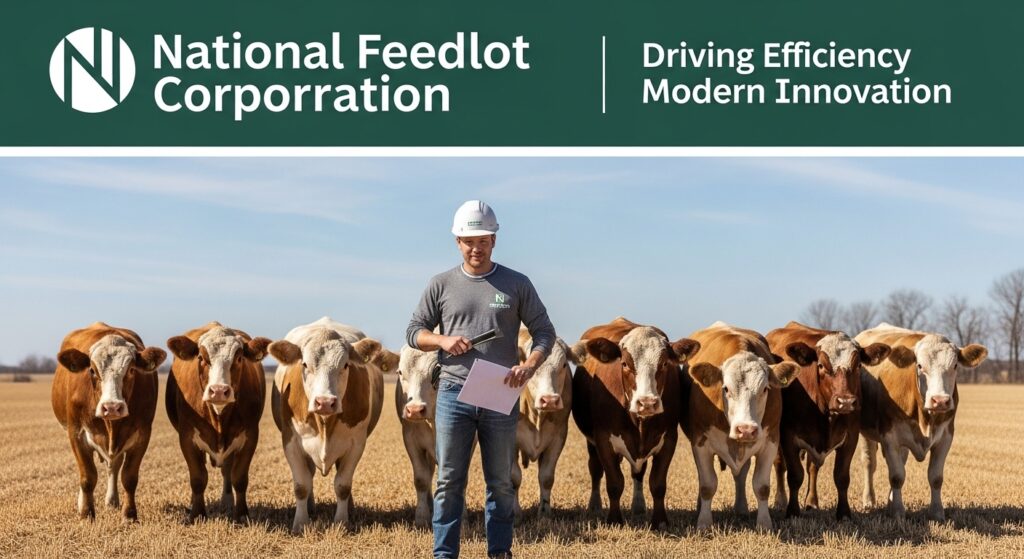
The livestock industry plays a critical role in global food security, and large-scale operations are essential to meeting rising demand. Among the key contributors to this sector is national feedlot corporation, a name associated with organized cattle feeding, advanced management systems, and efficient beef production. As consumer expectations evolve and sustainability becomes more important, companies in this space must balance productivity with responsible practices. Understanding how national feedlot corporation operates provides valuable insight into the broader agricultural economy, supply chain stability, and the future of commercial livestock farming in competitive domestic and international markets.
The Role of National Feedlot Corporation in the Livestock Industry
National feedlot corporation operates within the specialized segment of cattle finishing, where livestock are prepared for market through structured feeding programs. Feedlots are designed to maximize growth efficiency while maintaining animal health and product quality. By managing large herds under controlled conditions, the company contributes significantly to consistent beef supply. Its operations connect cattle producers, feed suppliers, processors, and retailers, forming an integrated value chain. This structured approach supports predictable production outcomes, helping stabilize meat availability and pricing in markets where demand continues to grow alongside population increases.
Operational Structure and Feedlot Management Practices
Effective feedlot management requires precise planning, and national feedlot corporation focuses on streamlined operational systems. From livestock procurement to feeding schedules and health monitoring, every stage is carefully coordinated. Modern feedlots rely on data-driven decision making to optimize weight gain and reduce waste. Trained staff oversee nutrition programs tailored to different growth phases, ensuring cattle receive balanced diets. Efficient facility layouts, proper ventilation, and clean water access further enhance performance. Through structured management practices, the company maintains productivity while aiming to uphold high standards of care and operational consistency.
Animal Health and Welfare Standards
Animal welfare is a central concern in large-scale livestock production. National feedlot corporation integrates veterinary oversight, regular health assessments, and preventive care into daily operations. Early detection of illness and timely treatment reduce losses and promote herd well-being. Proper spacing, clean environments, and stress reduction strategies are also critical components of responsible feedlot management. By prioritizing welfare, the company not only supports ethical farming principles but also enhances meat quality and consumer trust. Strong health protocols reflect the growing expectation that food production systems remain transparent and accountable.
Nutrition Programs and Feed Efficiency
Feed efficiency directly impacts profitability and environmental performance. National feedlot corporation invests in carefully formulated nutrition programs designed to support optimal growth rates. Balanced rations typically include grains, protein sources, vitamins, and minerals tailored to cattle development stages. Monitoring feed conversion ratios allows managers to measure how effectively animals convert feed into body weight. Improvements in feed technology and ingredient sourcing help reduce waste and control costs. Through strategic nutrition planning, the company strengthens production output while working to minimize resource consumption in an increasingly sustainability-focused agricultural landscape.
Environmental Responsibility and Sustainability Efforts
Sustainability has become a defining issue for the livestock sector. National feedlot corporation recognizes the importance of managing environmental impact through waste management systems, water conservation, and emissions reduction strategies. Responsible manure handling and recycling practices contribute to soil health and reduce pollution risks. Efficient water usage and energy management further support long-term environmental goals. As global attention shifts toward climate change and sustainable food systems, feedlot operators must demonstrate accountability. Integrating eco-conscious practices helps the company align with regulatory requirements and evolving consumer expectations.
Economic Contribution and Job Creation
Large agricultural enterprises generate significant economic activity, and national feedlot corporation plays a meaningful role in regional development. Feedlots create employment opportunities across multiple skill levels, from animal care specialists to logistics and administrative staff. In addition to direct jobs, related industries such as feed suppliers, transport companies, and equipment manufacturers benefit from business partnerships. This economic network strengthens rural communities and supports agricultural infrastructure. By maintaining steady production and trade relationships, the company contributes to national food supply chains and broader economic stability.
Technology Integration in Modern Feedlots
Technological innovation continues to transform livestock management. National feedlot corporation incorporates digital monitoring systems, automated feeding equipment, and data analytics to enhance operational efficiency. Sensors can track animal weight, health indicators, and environmental conditions in real time. This information enables quicker decision making and more precise adjustments to feeding or care routines. Technology not only improves productivity but also reduces resource waste and operational costs. By embracing modern tools, the company positions itself competitively within a rapidly evolving agricultural industry driven by efficiency and data transparency.
Market Position and Industry Challenges
Operating in the livestock sector involves navigating price volatility, regulatory changes, and shifting consumer preferences. National feedlot corporation must respond to fluctuations in feed costs, trade policies, and demand patterns. Competition within the beef industry requires continuous improvement in quality, efficiency, and sustainability. Public scrutiny regarding environmental and animal welfare issues also shapes corporate strategies. Maintaining a strong market position depends on adaptability and long-term planning. By focusing on innovation and responsible production, the company aims to remain resilient despite ongoing industry challenges.
Future Outlook for National Feedlot Corporation
The future of national feedlot corporation will likely be shaped by advancements in sustainable agriculture, improved genetics, and smarter resource management. Growing global populations are expected to increase protein demand, placing greater responsibility on large-scale producers. Continued investment in research, technology, and environmental stewardship can strengthen competitiveness and public confidence. Transparency and collaboration with industry stakeholders may further enhance trust. As agricultural systems modernize, companies that combine efficiency with responsibility are best positioned to thrive in a changing global marketplace.
Conclusion
National feedlot corporation represents a significant force within modern livestock production, connecting efficiency, innovation, and responsible management. Through structured operations, advanced nutrition programs, and a commitment to animal welfare and sustainability, the company supports stable beef supply while contributing to economic growth. Although challenges persist in the agricultural sector, strategic adaptation and technological integration offer promising opportunities. By balancing productivity with environmental and ethical considerations, national feedlot corporation demonstrates how large-scale feedlot operations can evolve to meet the demands of a dynamic and increasingly conscientious global food system.