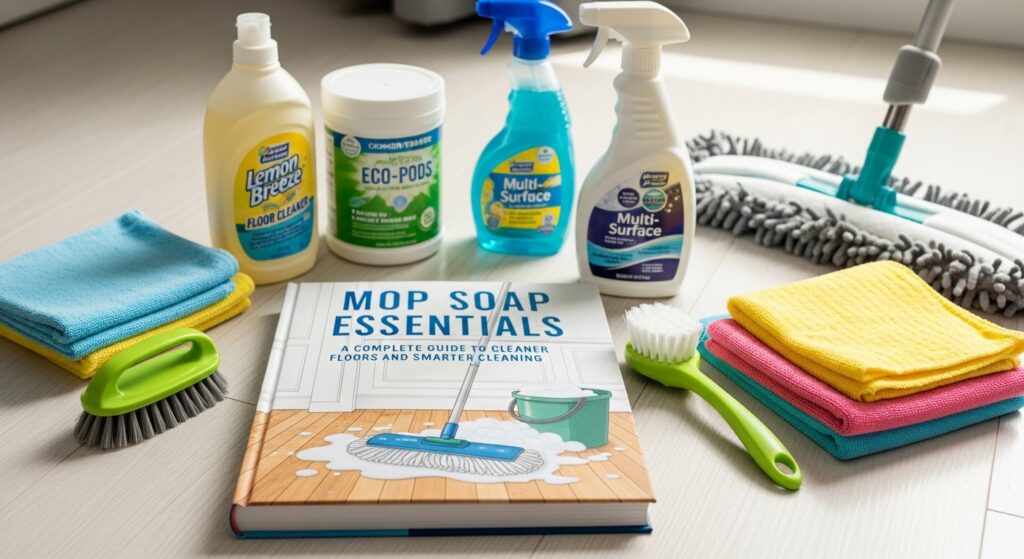
Keeping floors clean is a fundamental part of maintaining a healthy and welcoming environment, and mop soap plays a crucial role in achieving that goal. Designed specifically for use with mops, this type of cleaning solution helps remove dirt, stains, and bacteria effectively. Choosing the right mop soap can make a noticeable difference in both cleaning efficiency and floor care. With various options available, understanding how mop soap works and how to use it properly becomes essential. The key aspects of mop soap, offering practical insights for better cleaning results.
Understanding What Mop Soap Is
Mop soap is a specialized cleaning solution formulated to work efficiently with mopping tools on different types of flooring. Unlike general-purpose cleaners, it is designed to break down dirt and grime while being gentle on surfaces. It often contains ingredients that help lift stains without leaving harmful residues. The composition may vary depending on the intended use, such as for tile, wood, or laminate floors. Understanding what mop soap is and how it functions allows users to select the most suitable product for their needs, ensuring effective cleaning without causing damage to the flooring material.
Types of Mop Soap for Different Surfaces
Different flooring materials require specific cleaning approaches, and mop soap is available in various formulations to meet these needs. Some types are designed for hardwood floors, offering gentle cleaning without excessive moisture. Others are formulated for tiles or vinyl surfaces, providing stronger cleaning action for stubborn dirt. There are also multi-surface options that offer versatility for households with mixed flooring. Choosing the right type of mop soap ensures that the cleaning process is both effective and safe. This careful selection helps maintain the appearance and durability of floors over time.
Key Ingredients and Their Functions
The effectiveness of mop soap depends largely on its ingredients and how they interact with dirt and surfaces. Common components include surfactants, which help loosen and remove grime, and mild disinfectants that contribute to hygiene. Some formulations may include natural extracts or fragrances to enhance the cleaning experience. The balance of these ingredients determines how well the soap cleans without causing damage. Understanding the role of each component helps users make informed decisions when selecting mop soap. This knowledge ensures that the chosen product meets both cleaning and safety requirements.
Benefits of Using Mop Soap Regularly
Regular use of mop soap provides several advantages that contribute to a cleaner and healthier environment. It helps remove accumulated dirt, stains, and bacteria that can build up over time. Consistent cleaning also preserves the appearance of floors, preventing discoloration and wear. Mop soap is designed to leave minimal residue, reducing the risk of slippery surfaces. Additionally, it often enhances the overall freshness of a space. By incorporating mop soap into a regular cleaning routine, users can maintain a high standard of cleanliness while protecting their flooring investment.
Proper Techniques for Effective Mopping
Using mop soap effectively requires proper technique to achieve the best results. It is important to dilute the solution according to instructions to avoid excessive buildup. Even distribution of the soap ensures consistent cleaning across the entire surface. Mopping in a systematic pattern helps cover all areas without missing spots. Rinsing the mop regularly prevents spreading dirt instead of removing it. Allowing the floor to dry naturally enhances the final finish. By following these techniques, users can maximize the benefits of mop soap and achieve a thorough and efficient cleaning process.
Common Mistakes to Avoid
While mop soap is easy to use, certain mistakes can reduce its effectiveness. Using too much product can leave a sticky residue that attracts more dirt. Failing to rinse the mop properly may spread grime rather than remove it. Applying the wrong type of mop soap on delicate surfaces can cause damage. Skipping regular cleaning allows dirt to accumulate, making the process more difficult. Understanding these common errors helps users avoid them and improve their cleaning routine. Proper use of mop soap ensures better results and prolongs the life of the flooring.
Environmental Considerations and Eco-Friendly Options
Environmental awareness has led to the development of eco-friendly mop options that minimize environmental impact. These products often use biodegradable ingredients and avoid harsh chemicals. Choosing environmentally friendly mop helps reduce pollution and supports sustainable practices. Many of these formulations are also safe for households with children and pets. The growing availability of such options reflects changing consumer preferences toward responsible cleaning solutions. By selecting eco-friendly mop, users can maintain cleanliness while contributing to environmental protection and promoting a healthier living space.
Storage and Safety Tips
Proper storage and handling of mop are important for maintaining its effectiveness and ensuring safety. Keeping the product in a cool, dry place helps preserve its quality. It should be stored away from direct sunlight and out of reach of children. Following usage instructions reduces the risk of accidental misuse. Using appropriate amounts prevents unnecessary waste and potential hazards. Proper labeling and secure storage contribute to safe handling practices. By taking these precautions, users can ensure that their mop remains effective and safe for regular use in any environment.
Choosing the Right Mop Soap for Your Needs
Selecting the right mop involves considering factors such as floor type, cleaning frequency, and personal preferences. Some users may prioritize strong cleaning power, while others may prefer gentle or eco-friendly formulations. Reading product labels and understanding their intended use can help guide the decision. Testing a small area before full application ensures compatibility with the surface. The right choice enhances cleaning efficiency and protects the floor from damage. By carefully evaluating options, users can find a mop soap that meets their specific requirements and delivers consistent results.
Conclusion
Mop soap is an essential tool for maintaining clean and well-preserved floors. Its specialized formulation allows for effective removal of dirt while protecting different surfaces. From understanding its composition to applying proper techniques, every aspect contributes to successful cleaning. By avoiding common mistakes and considering environmental factors, users can achieve better results and promote sustainability. Choosing the right mop soap ensures both efficiency and safety. With consistent use and proper care, it remains a reliable solution for keeping living and working spaces clean and inviting.