
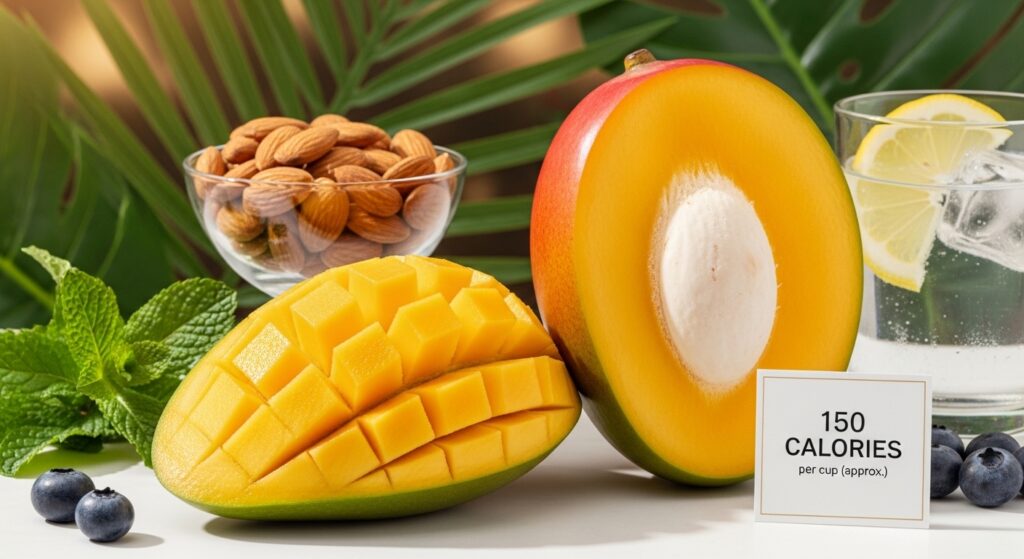
Mango is widely loved for its sweet taste, vibrant color, and refreshing texture. Often called the king of fruits in many regions, mango is enjoyed fresh, blended in smoothies, or used in a variety of desserts and dishes. While its flavor is highly appealing, many people also wonder about mango fruit calories and how they fit into a healthy diet. Understanding the calorie content of mango can help individuals make informed food choices while still enjoying this delicious fruit. Along with its calorie value, mango also offers several nutrients that support overall health and contribute to a balanced lifestyle.
What Are Mango Fruit Calories
Mango fruit calories refer to the amount of energy provided by consuming this tropical fruit. Calories represent the energy the body receives from food, which is used for daily activities and bodily functions. A typical serving of mango contains moderate calories compared to many processed snacks. Most of the calories in mango come from natural sugars and carbohydrates, which provide quick energy for the body. Despite its sweetness, mango remains a nutritious option when eaten in reasonable portions. Understanding mango fruit calories helps individuals include this fruit in their diet without exceeding their daily energy intake.
Nutritional Profile of Mango
Beyond mango fruit calories, this fruit offers a wide range of nutrients that support overall health. Mango contains vitamins, minerals, and natural antioxidants that contribute to a balanced diet. It is especially rich in vitamin C, which supports immune function and skin health. The fruit also provides vitamin A, which plays a role in maintaining healthy vision. Additionally, mango contains dietary fiber, which helps support digestion and gut health. While the calorie content is important for dietary planning, the nutritional value of mango makes it a beneficial addition to many meals and snacks.
Natural Sugars and Energy Content
A significant portion of mango fruit calories comes from natural sugars found in the fruit. These sugars include glucose and fructose, which the body uses as a quick source of energy. Unlike added sugars in processed foods, the sugars in mango come with beneficial nutrients such as fiber and vitamins. This combination allows the body to absorb energy more gradually. The natural sweetness of mango makes it an appealing alternative to sugary desserts. When consumed in moderation, mango fruit calories can contribute to daily energy needs without compromising overall dietary balance.
Role of Mango in a Balanced Diet
Including mango in a balanced diet can be beneficial when considering both mango fruit calories and its nutritional content. Fruits like mango provide essential nutrients while also satisfying sweet cravings naturally. Adding mango to breakfast bowls, salads, or smoothies can enhance flavor while contributing vitamins and fiber. Because mango contains moderate calories, portion awareness is important for individuals monitoring their daily energy intake. By pairing mango with protein rich foods or whole grains, people can create balanced meals that support steady energy levels and overall nutritional health throughout the day.
Mango Fruit Calories Compared to Other Fruits
When comparing mango fruit calories with other fruits, mango typically falls within a moderate calorie range. Some fruits contain fewer calories due to higher water content, while others may provide slightly more energy depending on their natural sugar levels. Mango stands out because it offers a satisfying balance of sweetness, nutrients, and calories. Its rich flavor often means that a smaller portion can still feel satisfying. Understanding how mango fruit calories compare with other fruits helps individuals make thoughtful choices when planning a diverse and nutritious fruit intake within their daily meals.
Benefits of Mango Despite Its Calorie Content
Even though mango fruit calories contribute to daily energy intake, the fruit provides several health benefits that make it a valuable part of a healthy diet. The antioxidants present in mango help protect cells from damage caused by environmental stress. Vitamins found in mango support immune health and skin vitality. The dietary fiber content assists with digestion and promotes feelings of fullness. These nutritional benefits show that calorie content alone should not determine whether a food is healthy. Instead, the overall nutrient profile of mango highlights why it remains a popular and beneficial fruit worldwide.
How Portion Size Affects Calorie Intake
Portion size plays an important role when considering mango fruit calories. Eating a moderate serving allows individuals to enjoy the fruit’s flavor and nutrients without consuming excessive calories. Because mango is naturally sweet and satisfying, even a small portion can provide a pleasant snack or dessert. People who monitor their calorie intake often include mango as part of a balanced meal rather than eating large quantities at once. By paying attention to serving sizes, it becomes easier to enjoy mango fruit calories within the context of a healthy and well managed daily diet.
Mango in Fitness and Active Lifestyles
For individuals with active lifestyles, mango fruit calories can provide useful energy before or after physical activity. The natural carbohydrates found in mango help replenish energy levels after exercise. Athletes and fitness enthusiasts often include fruits like mango in smoothies or recovery snacks to support their nutritional needs. In addition to energy, mango also provides vitamins and hydration due to its high water content. These qualities make it a refreshing option for people seeking natural food sources that contribute to both energy and nutrient intake while maintaining overall health and fitness goals.
Choosing Fresh Mango for Better Nutrition
Selecting fresh mango is important for maximizing both flavor and nutritional benefits while considering mango fruit calories. Ripe mangoes usually have a pleasant aroma and slightly soft texture when gently pressed. Fresh mango provides the best balance of nutrients, natural sweetness, and fiber. While processed mango products such as juices or sweetened dried mango may contain additional sugars, fresh fruit maintains its natural nutritional profile. By choosing fresh mango, individuals can enjoy the fruit’s taste and health benefits without unnecessary additives, ensuring that the calories consumed come from wholesome and nutrient rich sources.
Conclusion
Mango fruit calories are only one aspect of this tropical fruit’s overall nutritional value. While mango provides energy through natural sugars and carbohydrates, it also delivers essential vitamins, fiber, and antioxidants that support health. When consumed in appropriate portions, mango can easily fit into a balanced diet and contribute to daily nutrient needs. Its refreshing taste and versatility make it a popular choice for snacks, meals, and beverages around the world. By understanding mango fruit calories alongside its nutritional benefits, individuals can enjoy this flavorful fruit while maintaining healthy eating habits.