
Understanding how to measure waist correctly is essential for maintaining good health, choosing the right clothing size, and tracking fitness progress. Many people assume it is a simple task, yet small mistakes can lead to inaccurate measurements. Whether you are monitoring body changes or shopping online, knowing the correct technique ensures reliable results. Waist measurement is also an important indicator of overall health, especially when assessing body composition. Everything you need to know about how to measure waist properly, helping you achieve consistent and accurate results every time.
Why Waist Measurement Is Important
Learning how to measure waist is important for both health and practical purposes. A correct waist measurement helps determine clothing size, ensuring comfort and proper fit. Beyond fashion, it is widely used as an indicator of body fat distribution, which can impact overall health. Doctors and fitness experts often use waist measurements to assess risk factors related to lifestyle conditions. Accurate measurement allows individuals to track progress in weight management or fitness routines. Understanding the importance of this simple process encourages consistency and helps individuals make informed decisions about their health and well-being.
Identifying the Correct Waist Location
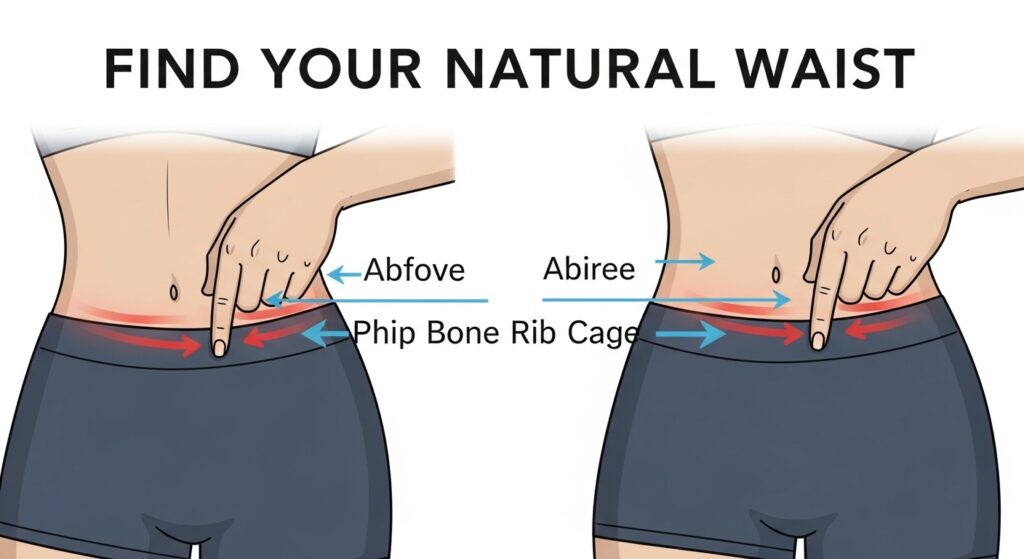
One of the most important steps in how to measure waist is finding the correct location on your body. The waist is typically the narrowest part of the torso, located above the belly button and below the rib cage. For some individuals, it may not be clearly defined, so a general guideline is to measure around the midpoint between the lowest rib and the top of the hip bone. Identifying this spot correctly ensures that measurements remain consistent over time. Accuracy at this stage is essential, as even slight variations can lead to incorrect results.
Tools Needed for Accurate Measurement
To understand how to measure waist properly, using the right tools is essential. A flexible measuring tape is the most reliable option, as it easily wraps around the body without causing discomfort. Avoid using rigid tools such as rulers, as they cannot provide accurate results. The measuring tape should be soft, lightweight, and marked clearly for easy reading. Having a mirror nearby can also help ensure the tape is positioned correctly. Using appropriate tools makes the process simple and ensures that the measurement reflects the true size of your waist.
Step by Step Waist Measurement Method
The process of how to measure waist involves a few simple steps that must be followed carefully. Stand upright in a relaxed position without holding your breath. Wrap the measuring tape around your waist at the correct location, ensuring it is level and not twisted. The tape should be snug but not tight, allowing for natural breathing. Take the measurement after exhaling gently for the most accurate result. Recording the number immediately helps avoid errors. Following this method consistently ensures that your waist measurements remain reliable and comparable over time.
Common Mistakes to Avoid
Many people make small errors when learning how to measure waist, which can lead to inaccurate results. Pulling the tape too tight or leaving it too loose can distort the measurement. Measuring over thick clothing instead of directly on the skin also affects accuracy. Another common mistake is choosing the wrong position on the body, which leads to inconsistent readings. Holding your breath while measuring can also produce incorrect results. Being aware of these mistakes helps improve accuracy and ensures that each measurement reflects your actual waist size without unnecessary variations.
Best Time to Measure Your Waist
Timing plays an important role in how to measure waist accurately. The best time to take a measurement is usually in the morning before eating or drinking, as the body is in a more natural state. Measuring at the same time each day helps maintain consistency and reduces fluctuations caused by food intake or physical activity. Avoid measuring immediately after meals, as this can temporarily increase waist size. By choosing a consistent time, individuals can track changes more effectively and ensure that their measurements provide meaningful and comparable data over time.
How Waist Measurement Relates to Health
Understanding how to measure waist is closely linked to overall health awareness. Waist size is often used as an indicator of abdominal fat, which is associated with various health risks. Maintaining a healthy waist measurement can contribute to better physical well-being and reduced risk of certain conditions. Regular monitoring allows individuals to identify changes early and take appropriate action if needed. While it is only one aspect of health assessment, waist measurement provides valuable insight when combined with other factors such as diet, exercise, and lifestyle habits.
Using Waist Measurements for Clothing Fit
Knowing how to measure waist accurately is essential when selecting clothing, especially when shopping online. Different brands may have varying size charts, making it important to rely on actual body measurements rather than standard sizes. A precise waist measurement ensures that garments fit comfortably and look appropriate. It also reduces the need for returns or alterations. Whether purchasing casual wear or formal attire, understanding your waist size helps make better choices. This practical application highlights the importance of accurate measurement in everyday life beyond health considerations.
Tracking Progress Over Time
One of the key benefits of learning how to measure waist is the ability to track progress over time. Whether the goal is weight loss, muscle gain, or maintaining current fitness levels, consistent measurements provide valuable feedback. Recording results regularly helps identify trends and evaluate the effectiveness of lifestyle changes. It also serves as motivation by showing visible progress. Keeping a record of measurements ensures that small changes are noticed and appreciated. This long-term approach makes waist measurement a useful tool for achieving and maintaining personal health goals.
Conclusion
Understanding how to measure waist correctly is a simple yet valuable skill that supports both health awareness and practical needs. By identifying the correct location, using proper tools, and following consistent methods, individuals can achieve accurate and reliable results. Avoiding common mistakes and measuring at the right time further improves precision. Whether used for tracking fitness progress or selecting clothing, waist measurement plays an important role in everyday life. With proper technique and regular practice, anyone can confidently measure their waist and use the information to make informed decisions.