
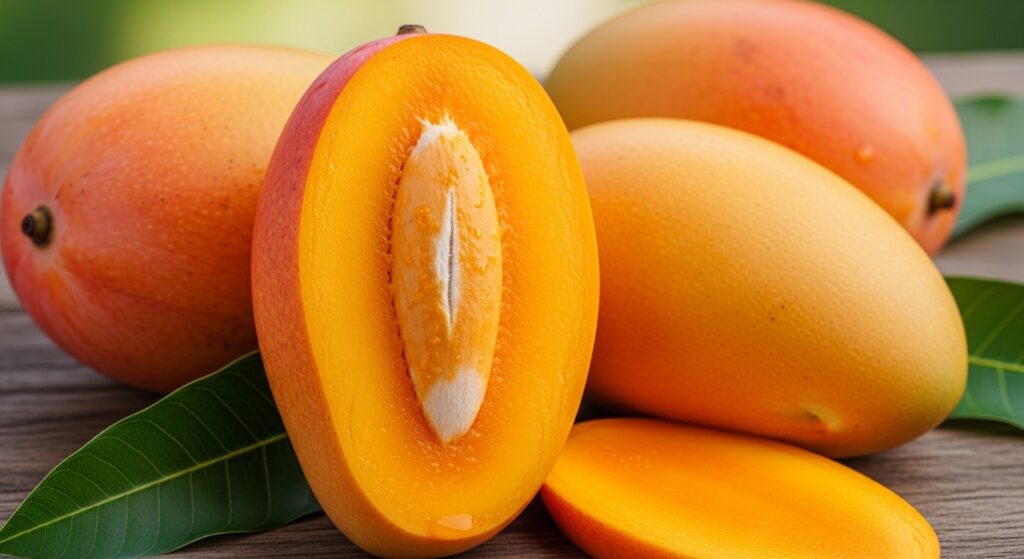
The east indian mango is widely admired for its rich flavor, smooth texture, and cultural significance in tropical regions. Known for its unique sweetness and aromatic profile, this mango variety has become a favorite among fruit lovers and culinary enthusiasts. It represents more than just a seasonal fruit, as it holds a special place in traditional cuisines and local agriculture. Understanding the characteristics and uses of the east indian mango allows people to appreciate its value beyond taste. Its origins, features, benefits, and importance in both everyday diets and global fruit markets.
Origin and History of East Indian Mango
The east indian mango has a long history rooted in tropical regions where mango cultivation has been practiced for centuries. It is believed to have originated in South Asia, where favorable climate conditions support the growth of high-quality mango varieties. Over time, the fruit spread to different parts of the world through trade and cultural exchange. The east indian mango became well known for its superior taste and consistency, making it a sought-after variety. Its historical importance is closely linked to agriculture and tradition, as it continues to be cultivated and enjoyed across generations in many regions.
Distinctive Characteristics of East Indian Mango
The east indian mango is recognized for its distinct physical and sensory qualities that set it apart from other mango varieties. It typically has a medium to large size with smooth skin that turns golden-yellow when ripe. The flesh is soft, juicy, and fiber-free, making it pleasant to eat. Its flavor is a balanced combination of sweetness and mild acidity, creating a rich taste experience. The aroma is also notable, adding to its overall appeal. These characteristics make the east indian mango highly desirable for both fresh consumption and use in various culinary applications.
Nutritional Value and Health Benefits
The east indian mango is not only delicious but also packed with essential nutrients that support overall health. It contains vitamins such as vitamin C and vitamin A, which contribute to immune function and eye health. The fruit is also a good source of dietary fiber, aiding digestion and promoting gut health. Additionally, it provides natural sugars that offer a quick source of energy. Antioxidants found in the east indian mango help protect the body from harmful substances. Including this fruit in a balanced diet can support well-being while providing a naturally sweet and satisfying option.
Cultivation and Growing Conditions
The cultivation of the east indian mango requires specific environmental conditions to achieve optimal growth and quality. It thrives in warm climates with plenty of sunlight and well-drained soil. Proper irrigation and care are essential, especially during the flowering and fruiting stages. Farmers often rely on traditional and modern techniques to ensure healthy crops. The tree itself can grow large and produce fruit seasonally, making timing an important factor in harvesting. These growing conditions contribute to the fruit’s unique taste and texture, ensuring that each harvest meets high quality standards expected by consumers.
Culinary Uses of East Indian Mango
The east indian mango is highly versatile and used in a wide range of culinary applications. It can be enjoyed fresh as a snack or added to fruit salads for a burst of flavor. In many cuisines, it is used to prepare desserts, beverages, and sauces. Its natural sweetness makes it ideal for smoothies, ice creams, and traditional sweets. The fruit is also used in savory dishes, where its flavor complements spices and other ingredients. This versatility allows the east indian mango to be a key ingredient in both simple and elaborate recipes across different cultures.
Role in Cultural Traditions
The east indian mango holds cultural significance in many regions where it is grown and consumed. It is often associated with festivals, celebrations, and family gatherings, symbolizing abundance and hospitality. In some cultures, mangoes are offered as gifts or used in traditional ceremonies. The fruit’s seasonal availability adds to its special value, making it eagerly anticipated each year. This cultural connection enhances its importance beyond nutrition, as it becomes a part of shared experiences and traditions. The east indian mango continues to play a meaningful role in preserving cultural heritage and community bonds.
Storage and Preservation Methods
Proper storage of the east indian mango is important to maintain its freshness and flavor. Ripe mangoes can be kept at room temperature for a short period, while refrigeration helps extend their shelf life. It is important to store them carefully to avoid bruising or damage. For longer preservation, mangoes can be sliced and frozen or processed into pulp. These methods allow the fruit to be enjoyed even outside its natural season. By understanding storage techniques, consumers can reduce waste and ensure that the quality of the east indian mango is preserved for future use.
Economic Importance of East Indian Mango
The east indian mango contributes significantly to local and international economies. It supports farmers, traders, and exporters who depend on mango cultivation and distribution for their livelihoods. The demand for high-quality mango varieties has led to increased production and trade opportunities. This fruit plays a role in agricultural development and provides income for many communities. Its popularity in global markets also promotes cultural exchange and awareness. The economic value of the east indian mango highlights its importance as both a food source and a contributor to economic growth in producing regions.
Future Prospects and Demand
The future of the east indian mango looks promising as demand continues to grow worldwide. Consumers are increasingly seeking natural and nutritious food options, which boosts interest in high-quality fruits like mangoes. Advances in farming techniques and transportation are expected to improve availability and maintain freshness. Efforts to develop sustainable practices will also play a role in ensuring long-term production. As global awareness increases, the east indian mango is likely to reach new markets and gain further recognition. Its continued popularity reflects its lasting appeal and importance in the world of agriculture and food.
Conclusion
The east indian mango is a remarkable fruit that combines rich flavor, nutritional benefits, and cultural significance. From its historical roots to its modern-day uses, it remains a valuable part of both local traditions and global markets. Its versatility in cooking and contribution to health make it a favorite among many. As cultivation and demand continue to grow, the east indian mango will remain an important symbol of quality and taste. Understanding its value helps individuals appreciate not only its flavor but also its broader impact on culture, economy, and everyday life.