
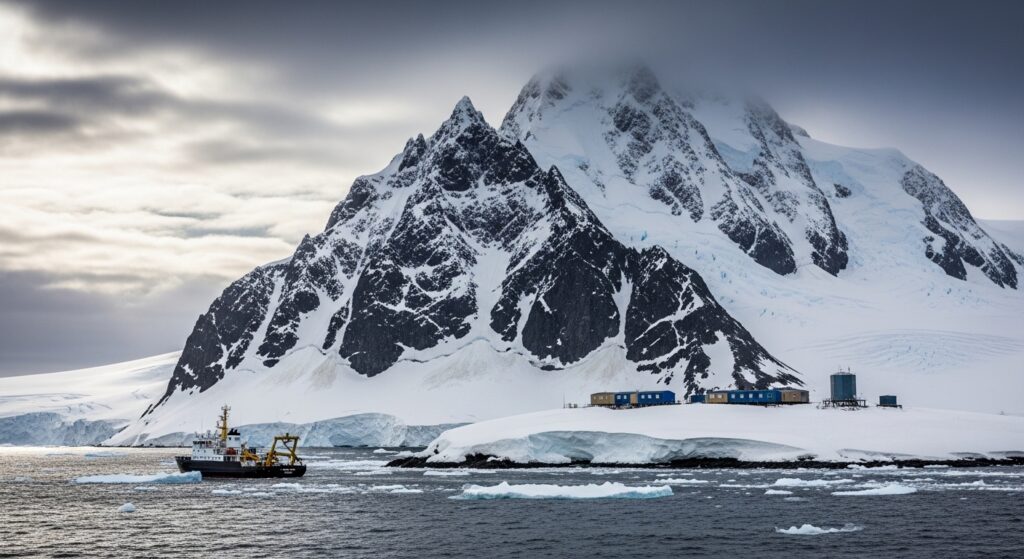
Bouvet Isola is often described as one of the most isolated islands on Earth, capturing the fascination of explorers, scientists, and adventure enthusiasts alike. Located in the South Atlantic Ocean, this uninhabited island is known for its harsh climate, rugged terrain, and untouched natural environment. Despite its remoteness, Bouvet Isola has become a subject of scientific research, particularly in the fields of ecology, geology, and climate studies. The history, geography, wildlife, and unique characteristics of Bouvet Isola, highlighting why it continues to intrigue those interested in the planet’s most inaccessible places.
Location and Geography of Bouvet Isola
Bouvet Isola lies approximately 1,700 kilometers north of Antarctica and over 2,500 kilometers from the nearest continental landmass, making it exceptionally remote. The island spans roughly 49 square kilometers and is mostly covered by glaciers and volcanic terrain. Its coastline is steep and rocky, with cliffs that drop sharply into the surrounding ocean, making landing difficult. The island’s volcanic origin contributes to its rugged topography, including a central ice cap and several smaller mountain peaks. Bouvet Isola’s location within the South Atlantic Ocean places it under extreme weather conditions, including frequent storms, strong winds, and low temperatures, which influence both its ecology and accessibility.
History of Discovery
Bouvet Isola was first discovered in 1739 by French explorer Jean-Baptiste Charles Bouvet de Lozier, though he did not make landfall. The island was later confirmed and mapped during the 19th century, but its extreme isolation limited exploration. Various expeditions attempted to reach Bouvet Isola, often facing severe weather and treacherous seas. The island was eventually claimed as a Norwegian dependency in 1927, and Norway continues to administer it as a nature reserve. Over time, Bouvet Isola has gained attention from researchers interested in remote ecosystems, with expeditions providing valuable insight into its unspoiled landscapes and wildlife, which remain largely undisturbed by human activity.
Climate and Weather Conditions
Bouvet Isola experiences a subantarctic climate characterized by cold temperatures, high humidity, and persistent strong winds. Average temperatures hover around freezing, and snow or ice covers much of the island year-round. Storms are frequent, often accompanied by heavy rainfall or snowfall, creating hazardous conditions for explorers. The surrounding ocean is turbulent, with rough seas making navigation difficult. Fog and low visibility further complicate access to the island. Despite the harsh conditions, these extreme weather patterns play a critical role in shaping the island’s ecosystems, influencing glacial movement, soil formation, and the distribution of plant and animal life on Bouvet Isola.
Flora and Vegetation
The harsh climate of Bouvet Isola limits the growth of vegetation, but hardy plant species have adapted to survive in extreme conditions. Mosses, lichens, and small grasses dominate the landscape, particularly in ice-free coastal areas. The limited soil depth and frequent frost hinder the development of larger plants, but these resilient species play a vital role in stabilizing the terrain and supporting the island’s limited food web. Seasonal variations can affect plant growth, with brief periods of sunlight in summer promoting photosynthesis. Studying the vegetation of Bouvet Isola provides insights into ecological adaptation and resilience in one of the planet’s most remote and inhospitable environments.
Wildlife on Bouvet Isola
Despite its isolation, Bouvet Isola supports a small but remarkable range of wildlife, primarily seabirds and seals. Penguin species, including the chinstrap and macaroni penguins, inhabit parts of the island, nesting on ice-free cliffs and rocky outcrops. Seals, such as the Antarctic fur seal and elephant seal, use coastal areas for breeding and resting. The surrounding ocean is rich in marine life, providing ample food for these species. Due to the lack of human activity, the wildlife remains largely undisturbed, creating a natural laboratory for scientists studying animal behavior and population dynamics in extreme conditions, contributing to broader ecological knowledge.
Scientific Research and Expeditions
Bouvet Isola has become an important location for scientific research, despite the challenges of access and extreme conditions. Researchers study glaciology, meteorology, and marine biology to understand how remote environments respond to climate change. Expeditions are carefully planned, often requiring specialized vessels and equipment to navigate rough seas and icy terrain. Observations from Bouvet Isola contribute to global knowledge about isolated ecosystems and the adaptation of species to extreme climates. Research findings also help inform conservation strategies for similarly remote areas, ensuring that Bouvet Isola’s unique natural environment is preserved for future scientific study and environmental monitoring.
Conservation and Protection
Norway has designated Bouvet Isola as a nature reserve to protect its pristine environment and biodiversity. Human activity on the island is strictly regulated, and access is limited to authorized research expeditions. Conservation measures aim to preserve native species and prevent the introduction of non-native organisms, which could disrupt the fragile ecosystem. The island’s status as a protected area highlights the importance of safeguarding remote habitats that remain largely untouched by human influence. Conservation efforts also emphasize the global significance of Bouvet Isola in understanding climate change, ecological resilience, and the preservation of species in extreme environments.
Challenges of Accessibility
Bouvet Isola’s remoteness makes access extraordinarily challenging. The island’s steep cliffs, ice cover, and rough seas restrict landing to a few safe points, often requiring small boats or helicopters. Unpredictable weather and heavy fog increase the risk of accidents, limiting the window for safe expeditions. Logistic support for research teams must account for extreme conditions, including supply transport, emergency evacuation, and communication. Despite these challenges, careful planning and modern technology have enabled scientists to conduct studies, although visits remain infrequent. The difficulty of reaching Bouvet Isola underscores its status as one of the most inaccessible islands in the world.
Future Prospects and Exploration
Future exploration of Bouvet Isola will likely focus on scientific research and environmental monitoring. Advances in remote sensing, drone technology, and satellite imaging offer new opportunities to study the island without increasing human impact. Understanding how climate change affects glacial dynamics, wildlife populations, and ecosystem stability will remain a priority. Responsible exploration ensures that Bouvet Isola continues to serve as a natural laboratory for scientists worldwide. Its extreme isolation provides a rare glimpse into untouched ecosystems, making it an invaluable resource for research, conservation, and the study of the natural world in one of Earth’s most remote locations.
Conclusion
Bouvet Isola represents one of the planet’s last frontiers, offering a unique combination of isolation, harsh climate, and unspoiled nature. Its geological features, wildlife, and scientific value make it an extraordinary subject of study for researchers and adventurers alike. Conservation efforts and careful exploration are crucial to preserving this remote island for future generations. By understanding Bouvet Isola’s environment and challenges, the global community gains insight into ecological resilience and the importance of protecting isolated ecosystems. This mysterious island continues to captivate those who seek to explore the edges of the natural world.