
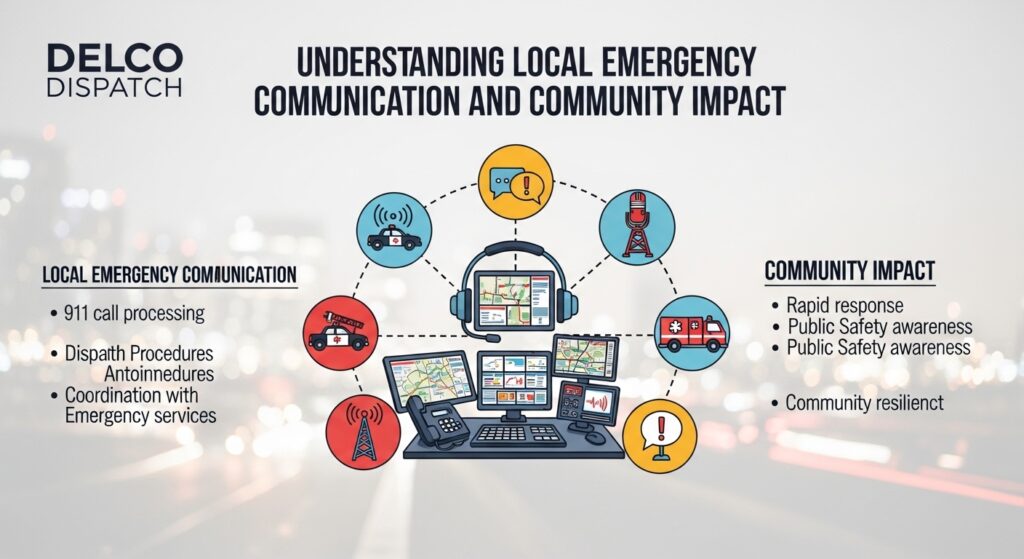
In every community, efficient communication during emergencies is essential for public safety and quick response. Delco Dispatch has become a commonly searched term among residents who want timely updates about incidents, traffic alerts, and emergency services in their area. Whether referring to local dispatch operations or real-time incident reporting, Delco Dispatch plays an important role in keeping people informed. As technology advances, access to dispatch information has become more transparent and accessible to the public. Understanding how Delco Dispatch functions offers insight into the broader system of emergency communication and community safety management.
What Is Delco Dispatch
Delco Dispatch generally refers to emergency dispatch services operating within Delaware County, often abbreviated as Delco. These services coordinate communication between residents and first responders such as police, fire departments, and medical teams. When someone places an emergency call, dispatch operators gather essential details and direct the appropriate response units. Delco Dispatch ensures that calls are prioritized and managed efficiently to reduce response times. This centralized communication system serves as the backbone of emergency services, enabling rapid coordination during critical situations and supporting overall public safety efforts.
How Emergency Dispatch Systems Work
Emergency dispatch systems like Delco Dispatch operate through structured communication protocols. When a call is received, trained dispatchers assess the nature and urgency of the incident. Information such as location, type of emergency, and potential risks is carefully recorded. This data is then transmitted to relevant emergency units through secure communication channels. Dispatch centers often use advanced software and mapping systems to track resources in real time. By combining technology with skilled personnel, Delco Dispatch ensures that emergency services are deployed accurately and without unnecessary delay.
The Role of Technology in Delco Dispatch
Modern technology significantly enhances the effectiveness of Delco Dispatch operations. Computer-aided dispatch systems allow operators to process information quickly and efficiently. Real-time GPS tracking helps determine the closest available response units. Digital communication tools ensure seamless coordination between agencies. Additionally, some dispatch centers integrate public alert systems that provide community updates during major incidents. These technological advancements reduce human error and improve response accuracy. As digital tools continue to evolve, Delco Dispatch benefits from greater efficiency and reliability in handling emergency situations.
Importance for Community Safety
Delco Dispatch contributes directly to the safety and well-being of local residents. By providing immediate access to emergency services, it ensures that critical incidents are addressed promptly. Quick coordination between dispatchers and first responders can significantly impact outcomes during medical emergencies, fires, or public safety threats. Beyond urgent situations, dispatch services also manage non-emergency calls that require attention. The consistent operation of Delco Dispatch builds trust within the community and reinforces the importance of organized communication systems in maintaining public order.
Public Access to Dispatch Information
In many regions, residents show interest in monitoring dispatch information for awareness purposes. Delco Dispatch updates may sometimes be shared through public platforms or community channels to keep residents informed about ongoing incidents. While transparency can increase public awareness, it must be balanced with privacy and security considerations. Responsible sharing of information ensures that sensitive details are protected while still allowing the community to stay informed. Public engagement with Delco Dispatch reflects growing interest in local safety and real-time information access.
Training and Responsibilities of Dispatch Operators
Dispatch operators working within Delco Dispatch centers undergo specialized training to manage high-pressure situations. Their responsibilities extend beyond simply answering calls. They must remain calm, gather accurate information, and provide instructions to callers when necessary. In medical emergencies, dispatchers may guide individuals through basic first aid procedures until responders arrive. The role demands strong communication skills, emotional resilience, and attention to detail. The professionalism of dispatch personnel plays a crucial role in the overall effectiveness of emergency response systems.
Coordination with First Responders
Effective emergency management depends on seamless coordination between dispatch services and first responders. Delco acts as the communication hub connecting police officers, firefighters, and emergency medical teams. Dispatchers relay updates, adjust resource deployment, and monitor incident progress in real time. This ongoing communication ensures that responders receive accurate and timely information. Strong coordination reduces confusion and enhances operational efficiency. By maintaining continuous contact with field units, Delco Dispatch supports organized and structured emergency response efforts.
Challenges Faced by Dispatch Centers
Despite technological improvements, dispatch centers such as Delco face several challenges. High call volumes during major incidents can strain resources and test response capacity. False alarms and non-urgent calls may divert attention from critical situations. Maintaining updated systems and ensuring staff readiness requires ongoing investment. Additionally, dispatchers must manage emotional stress while handling distressing calls. Addressing these challenges involves continuous training, infrastructure upgrades, and community education about proper emergency call usage.
The Future of Emergency Dispatch Services
The future of Delco and similar services will likely involve further integration of advanced technologies. Artificial intelligence tools may assist with call triaging and data analysis. Enhanced mobile communication systems could improve information exchange between dispatchers and responders. Community alert applications may provide more direct updates to residents. As innovation continues, dispatch centers will focus on increasing efficiency while maintaining high standards of service. The evolution of Delco Dispatch reflects the broader transformation of emergency communication systems worldwide.
Conclusion
Delco represents a vital component of community safety and emergency coordination. Through trained personnel, advanced technology, and structured communication protocols, it ensures that residents receive timely assistance when needed. The system’s effectiveness depends on accurate information, strong coordination, and ongoing technological development. As communities continue to grow and evolve, the role of Delco will remain essential in maintaining public safety and fostering trust between residents and emergency services.