
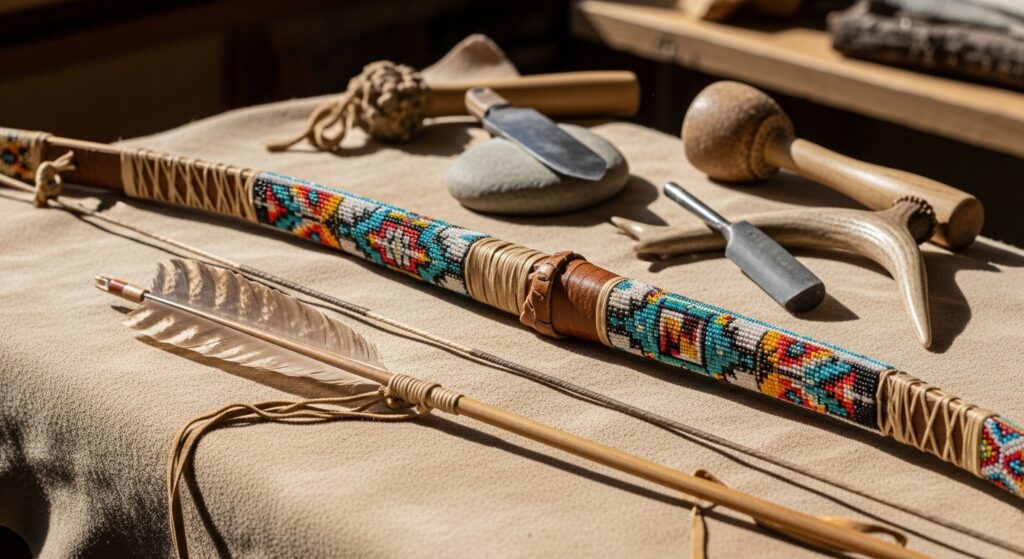
The native american bow is more than a hunting tool; it represents centuries of craftsmanship, survival knowledge, and cultural identity. Long before modern weapons existed, Native American tribes relied on bows for hunting, protection, and ceremonial purposes. Each bow reflected the environment, materials, and traditions of the tribe that created it. From dense forests to open plains, designs evolved to meet specific needs and conditions. Today, the native american bow continues to attract interest from historians, archery enthusiasts, and cultural learners who appreciate its balance of function and meaning. Understanding its origins and role offers valuable insight into Native American heritage and the deep connection between people, tools, and nature.
Historical Importance of the Native American Bow
The native american bow played a critical role in daily life long before European contact. It was essential for hunting game, which provided food, clothing, and tools. Tribes depended on their bows to sustain their communities, making archery skills highly respected. The bow was also used in warfare, where accuracy, speed, and reliability could determine survival. Different regions influenced bow design, with tribes adapting length, shape, and draw strength to local conditions. Plains tribes favored shorter bows suitable for horseback use, while woodland tribes often used longer bows for greater power. The bow was not only practical but symbolic, often associated with strength, responsibility, and the ability to provide for others.
Materials and Craftsmanship Behind the Bow
Crafting a native american bow required deep knowledge of natural materials and patience. Bowyers selected wood carefully, choosing species such as yew, osage orange, or hickory based on flexibility and strength. The wood was shaped by hand and allowed to cure properly to prevent cracking. Animal sinew was often used to reinforce the back of the bow, increasing durability and power. Strings were made from animal tendons or plant fibers, carefully twisted for strength. Every step of the process required skill and respect for natural resources. This craftsmanship ensured that each bow was both functional and uniquely suited to its maker and intended use.
Regional Variations in Bow Design
The design of the native american bow varied widely across regions due to climate, terrain, and available materials. In forested areas, longer bows were common, allowing hunters to shoot accurately through dense vegetation. In contrast, tribes of the Great Plains preferred shorter bows that were easier to handle on horseback. Desert tribes adapted their bows to dry conditions, often using compact designs and resilient materials. These regional differences highlight how Native American cultures adapted technology to their environment. Despite variations, all bows shared a focus on balance, efficiency, and reliability. This diversity in design reflects the ingenuity and adaptability of Native American communities across North America.
Cultural and Spiritual Meaning of the Bow
Beyond its practical use, the native american bow held deep cultural and spiritual significance. For many tribes, bow making and archery were tied to rituals, teachings, and storytelling. Young members learned not only how to use a bow but also the values of patience, discipline, and respect. The bow symbolized a connection to the natural world, as every part came from the land. In ceremonies, bows could represent protection, responsibility, or the transition into adulthood. This spiritual dimension set the bow apart from ordinary tools, reinforcing its role as an object of honor and tradition rather than just a weapon.
The Native American Bow in Modern Times
Today, the native american bow remains an important symbol of heritage and craftsmanship. Artisans continue traditional bow-making techniques, preserving knowledge passed down through generations. Archery enthusiasts and collectors value these bows for their historical authenticity and functional design. Educational programs and cultural demonstrations help introduce wider audiences to the skills and stories behind the bow. While modern materials and tools exist, traditional bows remind people of a time when survival depended on harmony with nature. The continued interest in these bows reflects a broader appreciation for indigenous knowledge and sustainable practices.
Conclusion
The native american bow stands as a powerful example of how tools can embody culture, history, and identity. Its design reflects environmental adaptation, skilled craftsmanship, and deep spiritual meaning. From ancient hunting practices to modern cultural preservation, the bow remains a lasting symbol of Native American ingenuity and resilience. By understanding its significance, we gain greater respect for the traditions and knowledge that shaped generations and continue to inspire today.