
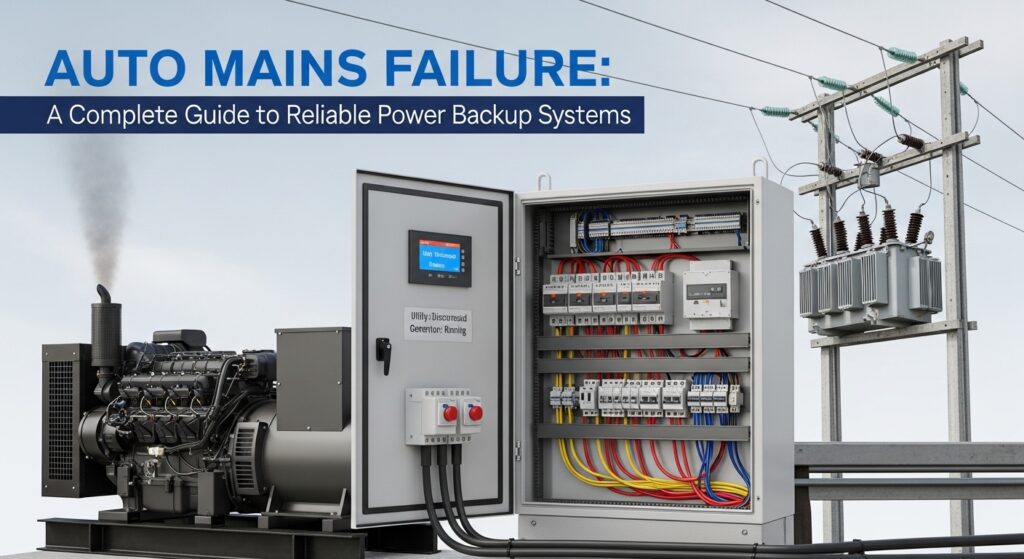
Power interruptions can disrupt businesses, damage sensitive equipment, and compromise safety in critical environments. From hospitals and data centers to manufacturing plants and residential buildings, continuous electricity supply is essential. This is where auto mains failure systems play a crucial role. Designed to detect power loss and automatically switch to a backup generator, auto mains failure technology ensures seamless continuity during outages. Understanding how this system works and why it matters can help organizations and property owners make informed decisions about their power infrastructure. This article explores the concept, components, benefits, installation considerations, and long-term importance of auto mains failure systems in modern electrical management.
Understanding the Concept of Auto Mains Failure
Auto mains failure refers to an automated system that monitors the primary electrical supply and activates a backup generator when a power interruption occurs. The system continuously checks voltage levels from the main grid. If it detects a failure or significant fluctuation, it immediately sends a signal to start the generator. Once the generator reaches stable operating conditions, the system transfers the load from the mains supply to the backup source. When the main power is restored, the auto mains failure system reverses the process by transferring the load back and shutting down the generator safely. This automated sequence eliminates the need for manual intervention, reducing downtime and operational risk. By providing immediate response to power outages, auto mains failure systems enhance reliability and ensure that essential operations continue without interruption.
Key Components of an Auto Mains Failure System
An effective auto mains failure setup includes several essential components working together in a coordinated manner. The control panel acts as the central unit, monitoring voltage levels and managing the switching process. It is equipped with sensors that detect irregularities in the mains supply. Another critical component is the automatic transfer switch, which shifts the electrical load between the main power source and the generator. The generator itself must be properly sized to handle the required load during outages. Additionally, protective devices such as circuit breakers and relays ensure safe operation and prevent electrical damage. Communication wiring connects all parts of the system, enabling seamless coordination. Each component plays a vital role in maintaining uninterrupted power. Proper integration of these elements ensures that the auto mains failure system operates efficiently and safely under varying conditions.
Benefits of Installing an Auto Mains Failure System
Installing an auto mains failure system offers numerous advantages for both commercial and residential applications. One of the primary benefits is uninterrupted power supply during outages, which is essential for critical operations such as medical equipment, data storage systems, and security infrastructure. Automation reduces the need for manual intervention, minimizing human error and response delays. This is particularly important in environments where immediate action is required. Another significant benefit is equipment protection. Sudden power loss or voltage fluctuations can damage sensitive electronics, but auto mains failure systems help maintain stability by providing a controlled transition to backup power. Businesses also benefit from improved productivity, as downtime can lead to financial losses and operational disruptions. Overall, investing in an auto mains failure solution strengthens reliability, enhances safety, and supports consistent performance across various industries.
Installation and Maintenance Considerations
Proper installation of an auto mains failure system requires careful planning and professional expertise. The generator must be appropriately sized based on load calculations to avoid overloading or underutilization. Electrical wiring and connections should comply with local regulations and safety standards. The control panel must be configured correctly to ensure accurate monitoring and switching. Regular testing is essential to confirm that the system responds promptly to simulated power failures. Maintenance includes inspecting electrical connections, checking battery health, and servicing the generator according to manufacturer guidelines. Neglecting maintenance can compromise reliability and lead to unexpected failures during actual outages. Professional technicians play a key role in ensuring optimal performance. By following recommended installation practices and maintenance schedules, organizations can maximize the effectiveness and lifespan of their auto mains failure systems.
Applications Across Different Sectors
Auto mains failure systems are widely used across multiple sectors where reliable electricity is critical. In healthcare facilities, uninterrupted power is essential to support life-saving equipment and patient care systems. Data centers rely on continuous electricity to protect servers and maintain network connectivity. Industrial facilities use auto mains failure technology to prevent production halts that could result in significant financial losses. In commercial buildings, backup power ensures lighting, security systems, and communication networks remain functional. Even residential properties increasingly adopt such systems to maintain comfort and safety during extended outages. The versatility of auto mains failure solutions makes them suitable for diverse environments. By adapting to specific operational needs, these systems provide tailored reliability that supports essential services and daily activities in both urban and rural settings.
The Future of Auto Mains Failure Technology
As technology continues to advance, auto mains failure systems are becoming more sophisticated and efficient. Modern systems often integrate digital monitoring features that provide real-time performance data and remote access capabilities. This allows facility managers to track system status and receive alerts in case of irregularities. Integration with smart building technologies further enhances automation and energy management. Improved energy efficiency and reduced fuel consumption are also key areas of development in generator technology. As renewable energy solutions expand, future auto mains failure systems may incorporate hybrid configurations that combine generators with battery storage or solar power. These advancements aim to increase sustainability while maintaining reliability. The continued evolution of auto mains failure technology reflects the growing demand for dependable and intelligent power backup solutions in an increasingly connected world.
Conclusion
Auto failure systems play a critical role in ensuring uninterrupted power supply during unexpected outages. By automatically detecting mains failure and activating backup generators, these systems protect equipment, maintain operational continuity, and enhance safety. From healthcare facilities to residential buildings, their applications are diverse and essential. Proper installation, regular maintenance, and technological upgrades further strengthen their effectiveness. As power reliability becomes increasingly important in modern infrastructure, auto failure solutions remain a vital component of comprehensive energy management strategies.