
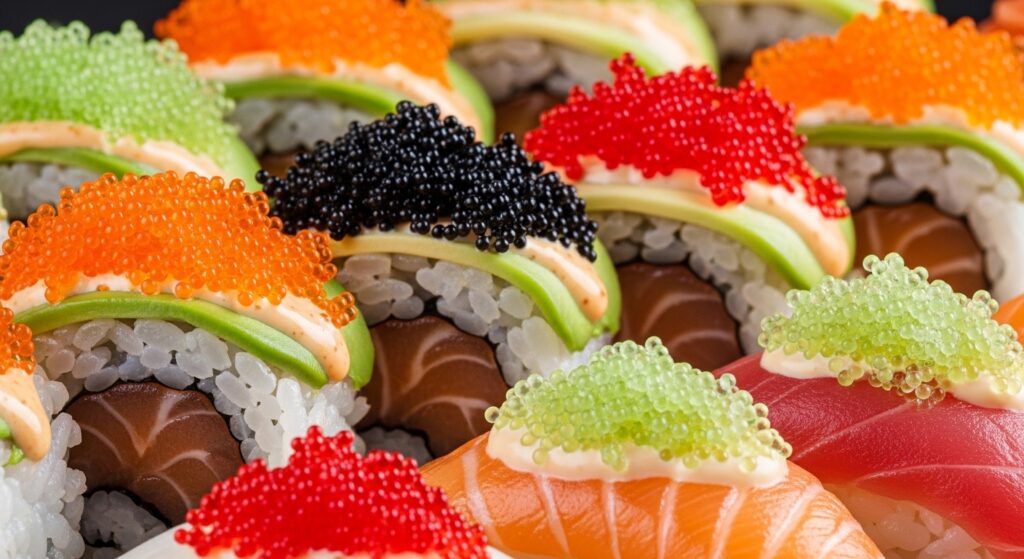
Japanese cuisine is known for its balance of flavor, texture, and visual appeal. Among the many ingredients that contribute to this culinary art, tobiko stands out for its vibrant color and unique texture. Often seen decorating sushi rolls or served as a garnish, tobiko adds both taste and visual excitement to a dish. Despite its small size, it plays a significant role in enhancing the overall dining experience. Whether you are a sushi enthusiast or new to Japanese food, understanding tobiko can deepen your appreciation for its subtle yet distinctive qualities. From its origin to its culinary uses, this small ingredient carries a surprisingly rich story.
What Is Tobiko and Where Does It Come From?
Tobiko refers to the roe of flying fish, a species commonly found in tropical and subtropical oceans. The word itself means flying fish roe in Japanese, and it has become a popular ingredient in sushi cuisine worldwide. Tobiko eggs are small, typically measuring less than a millimeter in diameter, and are known for their bright orange color. The natural hue can vary, and chefs often enhance it using natural ingredients such as squid ink, wasabi, or yuzu to create black, green, or yellow variations. Harvesting and preparing tobiko requires careful handling to preserve freshness and texture. After collection, the roe is lightly cured to maintain its delicate structure and mild flavor. This careful preparation ensures that tobiko retains its signature crunch and visual appeal when added to dishes.
Flavor Profile and Texture of Tobiko
One of the defining characteristics of tobiko is its crisp, popping texture. When eaten, the tiny eggs burst gently, releasing a mild salty flavor with a subtle hint of sweetness. Compared to other types of roe, such as masago or caviar, tobiko is slightly larger and firmer, giving it a more noticeable crunch. The taste is not overpowering, which makes it an ideal complement to various sushi ingredients. Tobiko enhances the flavor of rice, seafood, and vegetables without dominating the dish. Its balanced profile allows chefs to use it both as a topping and as a mixed ingredient in rolls. The combination of texture and flavor makes tobiko a versatile addition that elevates simple dishes into visually and gastronomically satisfying creations.
Culinary Uses of Tobiko in Sushi and Beyond
Tobiko is most commonly associated with sushi, where it is used to decorate the outer layer of rolls or placed on top of nigiri. In many popular rolls, such as California rolls or specialty creations, tobiko provides a bright finish that enhances presentation. However, its use extends beyond traditional sushi. Chefs incorporate tobiko into sauces, salads, and seafood dishes to add texture and visual contrast. It can be mixed with mayonnaise to create a flavorful spread or sprinkled over appetizers for an elegant touch. In fusion cuisine, tobiko appears in pasta dishes and creative canapés, showcasing its adaptability. Its ability to complement both traditional and modern recipes demonstrates why tobiko remains a favorite ingredient among chefs seeking both taste and aesthetic appeal.
Nutritional Value and Health Considerations
Tobiko is not only valued for its culinary qualities but also for its nutritional content. Like many types of fish roe, it contains protein, omega-3 fatty acids, and essential vitamins such as vitamin B12. These nutrients contribute to heart health and support overall well-being. However, tobiko is also relatively high in sodium due to the curing process, which may be a consideration for individuals monitoring salt intake. Moderation is important when incorporating tobiko into a balanced diet. Because it is often served raw or lightly cured, ensuring freshness and proper handling is essential for food safety. When sourced from reputable suppliers and consumed responsibly, tobiko can be both a flavorful and nutritious addition to various meals.
Differences Between Tobiko and Other Fish Roe
Many diners confuse tobiko with other types of fish roe, particularly masago and caviar. While they may appear similar at first glance, there are distinct differences. Tobiko is larger and crunchier than masago, which tends to be softer and slightly less vibrant in color. Caviar, typically sourced from sturgeon, is larger and considered more luxurious, with a richer and more buttery taste. In contrast, tobiko offers a lighter and more refreshing flavor. These differences influence how each type of roe is used in cuisine. Tobiko is often chosen for its texture and bright appearance, making it ideal for decorative and textural purposes. Understanding these distinctions helps diners appreciate the unique qualities that tobiko brings to the table.
Conclusion
Tobiko may be small in size, but it carries significant impact in Japanese and international cuisine. With its vibrant color, crisp texture, and balanced flavor, it enhances both the visual and sensory experience of many dishes. From traditional sushi rolls to innovative fusion recipes, tobiko continues to demonstrate its versatility and appeal. Its nutritional benefits add further value when enjoyed in moderation. By understanding its origin, preparation, and culinary role, food enthusiasts can better appreciate why tobiko remains a cherished ingredient in kitchens around the world.