
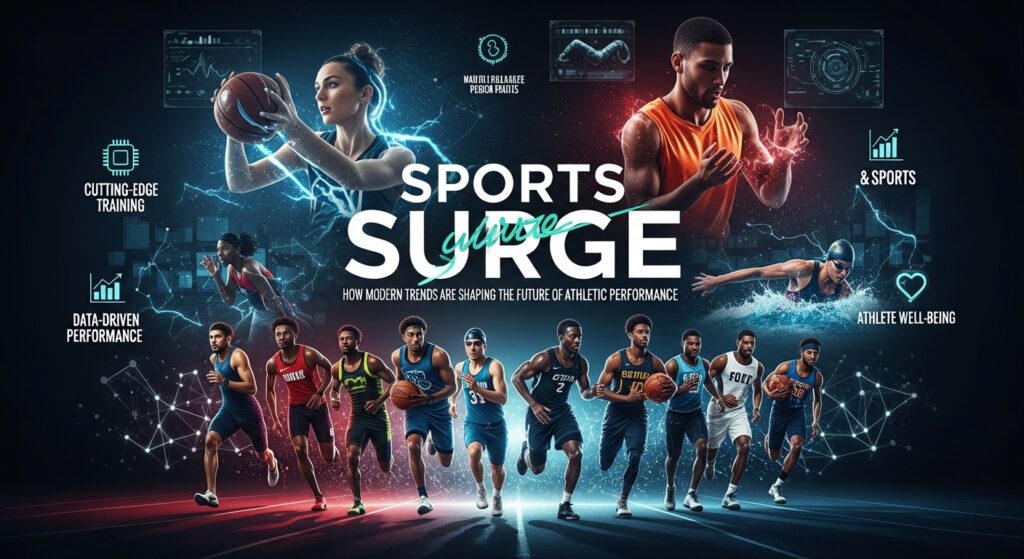
In recent years, the sports world has experienced a notable shift in how athletes train, compete, and connect with fans. This sports surge is driven by advancements in technology, growing interest in health and fitness, and a wider global audience for competitive events. Whether it is the rise of wearable devices, new training methods, or increased visibility through digital platforms, the landscape of sports is evolving at a rapid pace. For athletes and enthusiasts alike, understanding these trends can provide valuable insight into what drives success and engagement in modern athletics. From grassroots development to professional leagues, the current sports surge is redefining what it means to be competitive and active in today’s world.
The Role of Technology in the Sports Surge
Technology has become one of the most influential factors behind the sports surge. Wearable devices, performance trackers, and data analytics now play a central role in training and competition. Athletes use these tools to monitor heart rate, track recovery, and analyze movement patterns, allowing for more precise and personalized training plans. Coaches and teams also rely on data to evaluate performance, identify weaknesses, and develop strategies that maximize efficiency. Technology has made it easier to measure progress objectively and adjust training routines based on real-time feedback. This shift toward data-driven performance has raised the bar for athletes across various sports, encouraging continuous improvement. As technology continues to advance, it will likely become even more integrated into daily training, shaping the future of athletic development and contributing to the ongoing sports surge.
The Impact of Sports Science and Nutrition
Sports science and nutrition are critical components of the current sports surge. Athletes today have access to research-backed methods that support physical conditioning, injury prevention, and long-term performance. Training programs now often include a balanced combination of strength work, cardiovascular conditioning, and mobility exercises tailored to individual needs. Nutrition has also become more specialized, with athletes focusing on macronutrient balance, hydration, and recovery protocols. Proper fueling and rest are recognized as essential for achieving peak performance, especially in high-demand sports. Additionally, sports science has increased awareness of mental health and its connection to athletic success. Techniques such as mindfulness, visualization, and stress management are becoming standard parts of training. This holistic approach supports not only physical strength but also mental resilience, contributing to the overall sports surge by helping athletes perform consistently at high levels.
The Rise of Amateur and Grassroots Participation
The sports surge is not limited to professional leagues; it is also evident in the growing interest in amateur and grassroots participation. More people are engaging in recreational sports, fitness challenges, and community leagues as a way to stay active and connected. The accessibility of sports programs and local facilities has expanded, encouraging participation across age groups and skill levels. Social media and online platforms have also played a role in promoting fitness culture and inspiring people to try new activities. This increased participation strengthens community bonds and promotes healthier lifestyles. Grassroots development is also essential for identifying and nurturing young talent, providing a foundation for future athletes. As interest continues to grow, grassroots sports contribute to a broader sports surge by building a more active and engaged population.
Digital Media and Fan Engagement
Digital media has transformed the way fans experience sports, contributing significantly to the sports surge. Streaming services, social media, and online content platforms allow fans to follow events in real time, access highlights, and engage with athletes directly. This increased connectivity has expanded the reach of sports beyond traditional broadcasting, making it easier for audiences around the world to stay informed and involved. Athletes and teams now have the ability to build personal brands, share behind-the-scenes content, and connect with fans through interactive platforms. This direct engagement enhances loyalty and creates a more immersive fan experience. The digital landscape also enables smaller leagues and niche sports to gain visibility, supporting diversity in athletic competition. As digital media continues to evolve, it will play an ongoing role in sustaining the sports surge by strengthening connections between athletes, teams, and audiences.
The Influence of Globalization on Sports
Globalization has broadened the scope of sports, contributing to the sports surge by connecting cultures and expanding international competition. Major sporting events now draw global audiences, and athletes from different countries frequently compete in international leagues. This cultural exchange enriches sports by introducing new styles, training methods, and competitive perspectives. It also increases opportunities for athletes to showcase their skills on larger platforms, attracting sponsorship and support from international brands. Globalization has also made sports more inclusive, allowing fans from diverse backgrounds to engage with different athletic traditions. As the world becomes more interconnected, the sports surge continues to grow through shared experiences and expanded access to competitions. This global perspective strengthens the overall impact of sports on society by promoting unity and healthy competition.
Sustainability and the Future of Sports
As sports continue to evolve, sustainability has become an important consideration within the sports surge. Athletic organizations and event planners are increasingly focused on reducing environmental impact through eco-friendly practices, such as sustainable venues, reduced waste, and energy-efficient operations. Athletes and fans are also more aware of the role sports play in promoting responsible behavior. Sustainable initiatives not only benefit the environment but also contribute to the long-term viability of sports events and communities. Additionally, the future of sports is likely to involve continued innovation in training methods, technology, and fan engagement. As these trends develop, the sports surge will likely remain strong, driven by a combination of performance improvement, community participation, and global connectivity.
Conclusion
The sports surge reflects a dynamic shift in how sports are practiced, experienced, and shared around the world. Advances in technology, sports science, and digital media, combined with growing participation and globalization, have reshaped the athletic landscape. As these trends continue to evolve, they will play a central role in defining the future of sports, supporting both elite performance and broader community involvement.