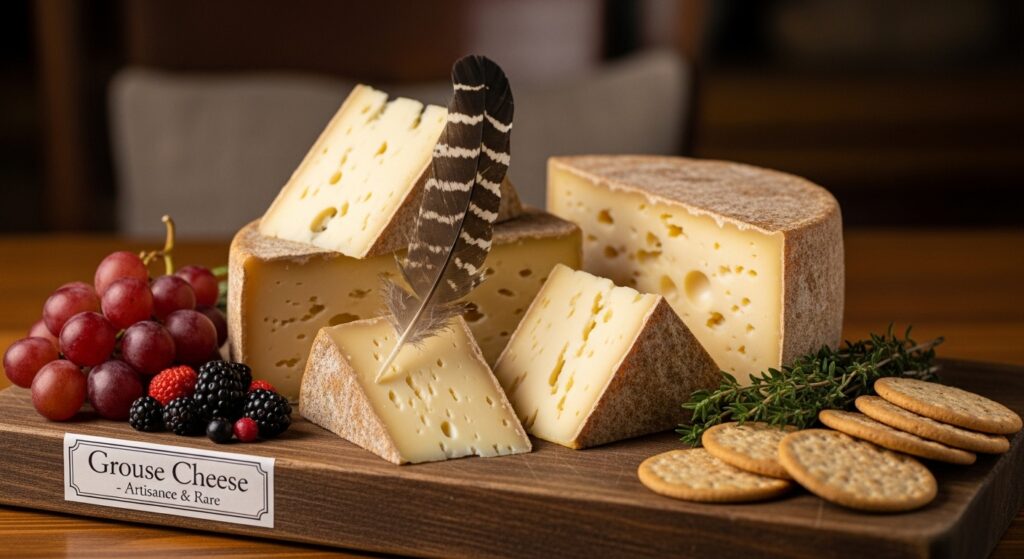
Grouse cheese is a rare and intriguing artisan cheese celebrated for its rich flavor, rustic character, and deep connection to highland landscapes and traditional cheesemaking techniques. Despite what its name might suggest, grouse cheese contains no grouse or bird products; instead, the name reflects the wild moorland habitat where grazing animals feed on diverse herbs and grasses that shape the cheese’s distinct taste and aroma. This cheese captures the essence of rugged terrain and pastoral heritage, offering a unique culinary experience that appeals to cheese connoisseurs and adventurous food lovers alike.
Origins and Traditional Background of Grouse Cheese
Grouse cheese originated across a number of northern European highland regions where isolated farming communities developed their own cheesemaking traditions long before modern transport and refrigeration existed. These areas — including Scotland’s Cairngorms, the French Vosges Mountains, the Trentino-Alto Adige region in Italy, and parts of rural Slovenia and Austria — share rugged terrains, wild forage, and climatic challenges. Local shepherds used sheep’s or mixed sheep-and-goat milk to make durable cheese that preserved nutrition through harsh seasons. Over time, the local grass and herb diet of the animals imparted a complex, terroir-driven profile to the cheese, and the association with grouse habitat eventually gave it the name we know today.
Production and Craftsmanship Behind Grouse Cheese
Traditional grouse cheese is made using age-old artisanal methods that emphasize minimal intervention and natural processes. Fresh milk is collected — often without pasteurization — and mixed with natural cultures and rennet, which can come from plant sources such as cardoon thistle or dried nettle. This mixture is left to coagulate slowly, often taking many hours due to climate conditions. The curds are hand-cut, gently pressed, salted, and then aged in cool, damp environments like root cellars or stone caves that support natural rind development. Aging periods typically range from three months to over a year, resulting in variations from supple and elastic to firm and crumbly textures.
Flavor Profile and Texture Distinctiveness
Grouse cheese is known for its deep, earthy flavor profile that reflects the biodiversity of the grazing lands. Tasters often describe layers of earthiness, herbal notes, moss, wild thyme, distant smoke, and hints of alpine milkweed. Younger wheels of the cheese tend to be more supple and melt easily, while longer-aged versions develop dense, crumbly interiors with intensified umami and mineral notes. The cheese’s texture can vary from semi-hard and elastic to firm and crystalline depending on aging, making it versatile for both direct tasting and culinary use.
Culinary Uses and Pairings for Grouse Cheese
Grouse cheese’s complexity invites a range of culinary applications. On cheese boards, it pairs beautifully with crusty bread, wild berry jams, honey, and nuts, highlighting its rustic charm. Its bold flavor also complements peat-smoked whiskies, full-bodied red wines, and ales with earthy character. In cooking, younger versions of grouse cheese can be melted into gratins or risottos, while aged varieties are ideal for shaving over dishes like root-vegetable ragouts or winter soups. Whether enjoyed simply or incorporated into gourmet creations, grouse cheese brings a distinctive element to both traditional and contemporary cuisine.
Cultural Significance and Modern Appreciation
Beyond taste, grouse cheese represents a culinary connection to heritage and land. In regions where it is produced, it holds cultural value and is often part of seasonal celebrations and rural gatherings. Though it remains relatively obscure compared to mass-produced cheeses, its reputation has grown among food enthusiasts and artisanal markets seeking unique products that reflect tradition and place. Today, limited production and seasonal availability make authentic grouse cheese a sought-after specialty that celebrates both flavor and craftsmanship.
Conclusion:
In a world of industrial dairy products, grouse cheese stands out as a testament to the enduring value of artisanal food traditions and the role of terroir in shaping flavor. Its robust, earthy profile, time-honored production methods, and deep cultural roots make it a rare culinary treasure. For gourmets, artisanal cheese lovers, and explorers of regional specialties, grouse cheese offers a sensory journey into the landscapes and lifestyles that shaped it — a reminder that some of the most memorable food experiences begin far from the factory floor, in the rugged pastures of the highlands.