The keyword soutaipasu refers to a term with roots in Japanese language and technology that has expanded into cultural, philosophical, and online contexts. Originally used in computing to describe a relative path—a way of locating files in relation to the current directory rather than from the system’s root—soutaipasu has taken on broader meanings in creative, digital, and cultural conversations. This evolution shows how technical language can grow into metaphor and expressive concept beyond its original domain.
What soutaipasu literally means
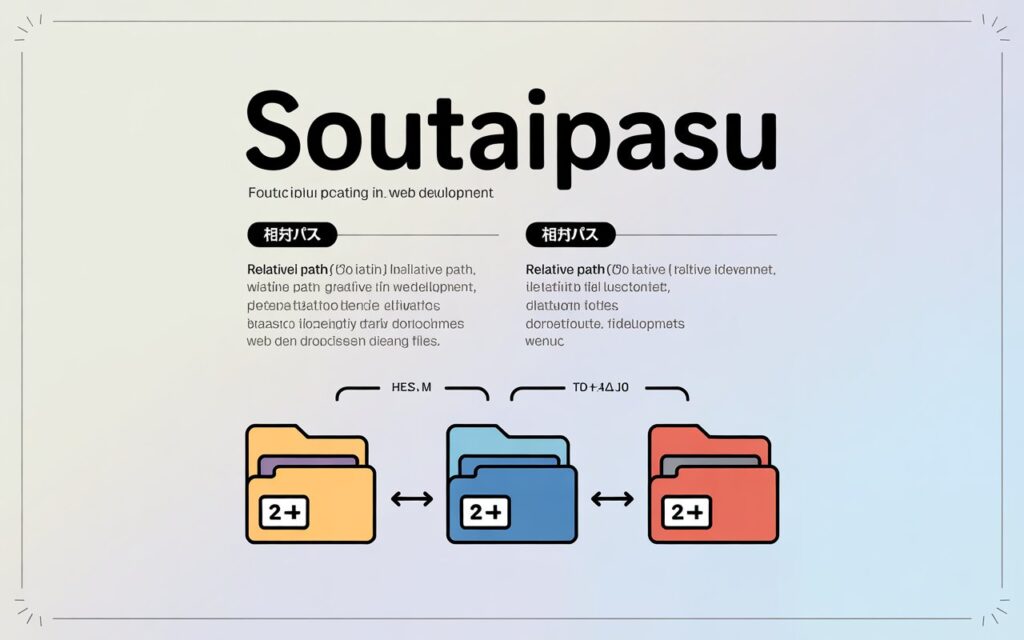
Soutaipasu is a compound of two parts: soutai (meaning “relative”) and pasu, a loanword from the English path. In computing, it refers to a method of linking files or resources based on their position relative to where the user or program is currently working, instead of using a full fixed location. This makes projects more flexible, easier to move, and simpler to maintain across different environments.
Soutaipasu in programming and web development
In web development and software engineering, soutaipasu is a fundamental concept used to reference files, scripts, images, and other resources in a way that stays valid even if the project is moved to a new folder structure or server. For example, instead of linking an image using a full address starting from the root directory, developers use a relative path that depends on the current directory, helping prevent broken links when files are shared or relocated. This flexibility improves collaboration and project portability, especially in team settings.
Broader cultural and metaphorical interpretations
Beyond its technical use, soutaipasu has been interpreted metaphorically in cultural and creative spaces. Some writers and thinkers use it to describe the idea of navigating life, relationships, or ideas in ways that depend on context and current position, rather than following rigid absolute rules. In this sense, the term has found a place in discussions about flexibility, connection, and perspective in human experience—reflecting the way decisions and meanings are shaped by relationships and context rather than fixed points.
Use of soutaipasu in online communities and creative media
On the internet, soutaipasu appears in discussions among programmers, fans of technology culture, and creative communities that blend language, art, and digital expression. In fan forums, social media, and art spaces, the concept can be used to describe crossover ideas, interconnected stories, or flexible narrative paths. Its growth in online vocabulary shows how global digital culture often adopts and transforms terms from programming or other specialized domains into broader symbolic or storytelling tools.
Practical benefits and real-world relevance
In practical terms, soutaipasu remains a useful tool in digital work. Developers, designers, and IT professionals continue to rely on relative paths for efficient file management, smoother project workflows, and enhanced software portability. Outside technology, the idea of relative paths has been adapted as a metaphor in education, philosophy, and even personal growth narratives—encouraging people to see progress and decisions as contextual rather than absolute.
Why soutaipasu matters today
Soutaipasu matters because it exemplifies how language and ideas can evolve across domains—from computing to culture, from technical practice to metaphorical expression. In a world where digital literacy and creative communication increasingly overlap, terms like soutaipasu help explain not just how systems work, but how people relate to complexity, context, and connection in both technology and life. Its presence in programming education, cultural conversations, and online communities highlights this dual relevance.
Conclusion
Soutaipasu is more than a niche programming term—it’s a concept rooted in the practical use of relative paths in computing that has grown into a broader cultural and philosophical idea. Whether you encounter it in the context of web development, digital collaboration, creative expression, or metaphorical thinking, soutaipasu emphasizes flexibility, context, and connected relationships. Its evolution from technical jargon to expressive concept reflects how digital language continues to blend utility and meaning in the modern world.