
Eggs are one of the most widely consumed foods around the world because they are affordable, versatile, and rich in nutrients. Many people include eggs in their daily diet, especially when focusing on balanced nutrition or weight management. Understanding 1 boiled egg calories helps individuals make informed dietary choices while maintaining healthy eating habits. A boiled egg provides essential nutrients such as protein, vitamins, and minerals that support overall health. Because boiling does not require added oil or fats, it is considered one of the healthiest ways to prepare eggs. Learning about 1 boiled egg calories helps people appreciate how this simple food contributes to a nutritious diet.
Calorie Content in One Boiled Egg
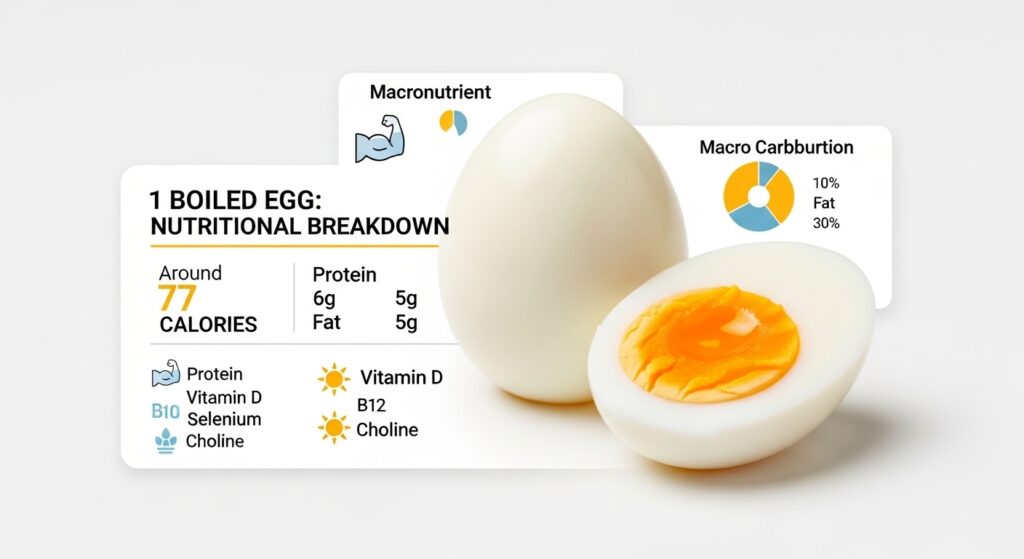
The calorie value of a boiled egg is relatively low compared to many other protein sources. On average, 1 boiled egg calories are approximately seventy calories for a standard medium sized egg. These calories mainly come from protein and healthy fats present in the egg. Because eggs contain minimal carbohydrates, they are often included in low carbohydrate diets. The balanced calorie content makes boiled eggs a satisfying yet controlled energy source. When people monitor their daily calorie intake, understanding 1 boiled egg calories helps them include this nutritious food without exceeding their dietary goals or compromising nutritional balance.
Nutritional Components of a Boiled Egg
Beyond understanding 1 boiled egg calories, it is also important to examine the nutrients contained within the egg. A boiled egg provides high quality protein, essential amino acids, vitamins, and minerals that support many body functions. Nutrients such as vitamin B12, vitamin D, selenium, and choline contribute to brain health, bone strength, and metabolic activity. The egg white mainly contains protein, while the yolk contains healthy fats and most of the vitamins. Even though the calorie count remains moderate, the nutrient density of a boiled egg makes it a valuable addition to a balanced diet.
Role of Protein in Boiled Eggs
Protein is one of the most important nutrients found in eggs, and it plays a major role in making them a popular food choice. Within 1 boiled egg calories, a significant portion comes from high quality protein that supports muscle repair and growth. Protein also helps maintain a feeling of fullness, which can reduce unnecessary snacking throughout the day. This makes boiled eggs a practical option for people trying to manage their appetite or maintain a healthy weight. The protein in eggs contains all essential amino acids, making it a complete protein source that supports many biological processes.
Boiled Eggs and Weight Management
Understanding 1 boiled egg calories is especially useful for individuals who are focusing on weight management. Because boiled eggs are relatively low in calories yet high in protein, they provide a satisfying meal component without excessive energy intake. Many nutrition plans include eggs as part of breakfast or snacks to help control hunger and maintain stable energy levels. The combination of protein and healthy fats slows digestion, which helps people feel full for longer periods. Including boiled eggs in a balanced diet may support healthier eating habits while helping individuals stay within their daily calorie targets.
Difference Between Boiled Eggs and Fried Eggs
Cooking methods can significantly influence the calorie content of foods, including eggs. While 1 boiled egg calories remain relatively low, the calorie value increases when eggs are fried in oil or butter. Added fats during frying contribute additional calories that may raise the total energy content of the meal. Boiling, on the other hand, cooks the egg using only water and does not introduce extra fats. This makes boiled eggs a healthier option for individuals who want to control calorie intake. Choosing boiling as a cooking method helps preserve the natural nutritional balance found in eggs.
Benefits of Including Boiled Eggs in Breakfast
Breakfast is often considered one of the most important meals of the day, and many people choose eggs as a morning food option. Understanding 1 boiled egg calories helps individuals design a breakfast that provides energy without being overly heavy. The protein in boiled eggs supports muscle health and helps maintain concentration during daily activities. Additionally, the balanced nutrient profile helps stabilize blood sugar levels after the overnight fasting period. Starting the day with boiled eggs can therefore contribute to sustained energy, improved focus, and a balanced intake of essential nutrients throughout the morning.
Eggs as a Source of Healthy Fats
Although eggs contain fats, most of these are beneficial when consumed in moderation. Within 1 boiled egg calories, a portion comes from healthy fats located in the egg yolk. These fats help support hormone production, brain function, and absorption of fat soluble vitamins. Eggs also contain small amounts of omega fatty acids that contribute to heart health. The balance between protein and fats makes boiled eggs a nutritionally complete food. When included as part of a balanced diet, the fats in eggs provide essential energy while supporting several important biological functions in the body.
Factors That Affect Egg Calorie Content
While the average value of 1 boiled egg calories remains around seventy calories, certain factors can cause slight variations. The size of the egg plays a major role, as larger eggs naturally contain more nutrients and therefore more calories. Farming methods and the hen’s diet may also influence the nutritional composition of eggs. However, these differences are usually small and do not significantly affect overall calorie intake. Regardless of these variations, boiled eggs remain a reliable source of moderate calories and valuable nutrients, making them a consistent and practical choice in many dietary plans.
Importance of Balanced Egg Consumption
Understanding 1 boiled egg calories helps people include eggs responsibly within a balanced diet. While eggs are rich in protein and essential nutrients, it is still important to consume them as part of a varied meal plan that includes vegetables, fruits, grains, and other protein sources. Balanced nutrition ensures that the body receives a full range of vitamins and minerals needed for optimal health. Boiled eggs can complement many meals without significantly increasing calorie intake. When eaten in moderation, they contribute to healthy eating patterns and support overall nutritional well being.
Conclusion
Understanding 1 boiled egg calories provides valuable insight into how this simple food supports a healthy and balanced diet. With approximately seventy calories per egg, boiled eggs offer a moderate energy source combined with high quality protein and essential nutrients. Their low calorie content and satisfying nature make them suitable for weight management, breakfast meals, and balanced nutrition plans. Boiling preserves the natural nutritional value of eggs without adding extra fats. When included in a varied diet, boiled eggs contribute important vitamins, minerals, and healthy fats that support overall health and daily energy needs.